Gut Health Drinks That Actually Work in 2026

Did you know that right now, roughly 70 million Americans are dealing with some kind of digestive problem every single day? That is bloating, cramping, slow digestion, or just that heavy feeling after eating. And here is what most people never hear: what you drink matters just as much as what you eat.

Gut health drinks have quietly become one of the fastest-growing categories in the entire food and beverage world. The global digestive health drinks market was valued at USD 30.7 billion in 2025 and is projected to reach USD 55.5 billion by 2035. Americans are waking up to the fact that the right drink can change how they feel, how they sleep, and even how clearly they think.

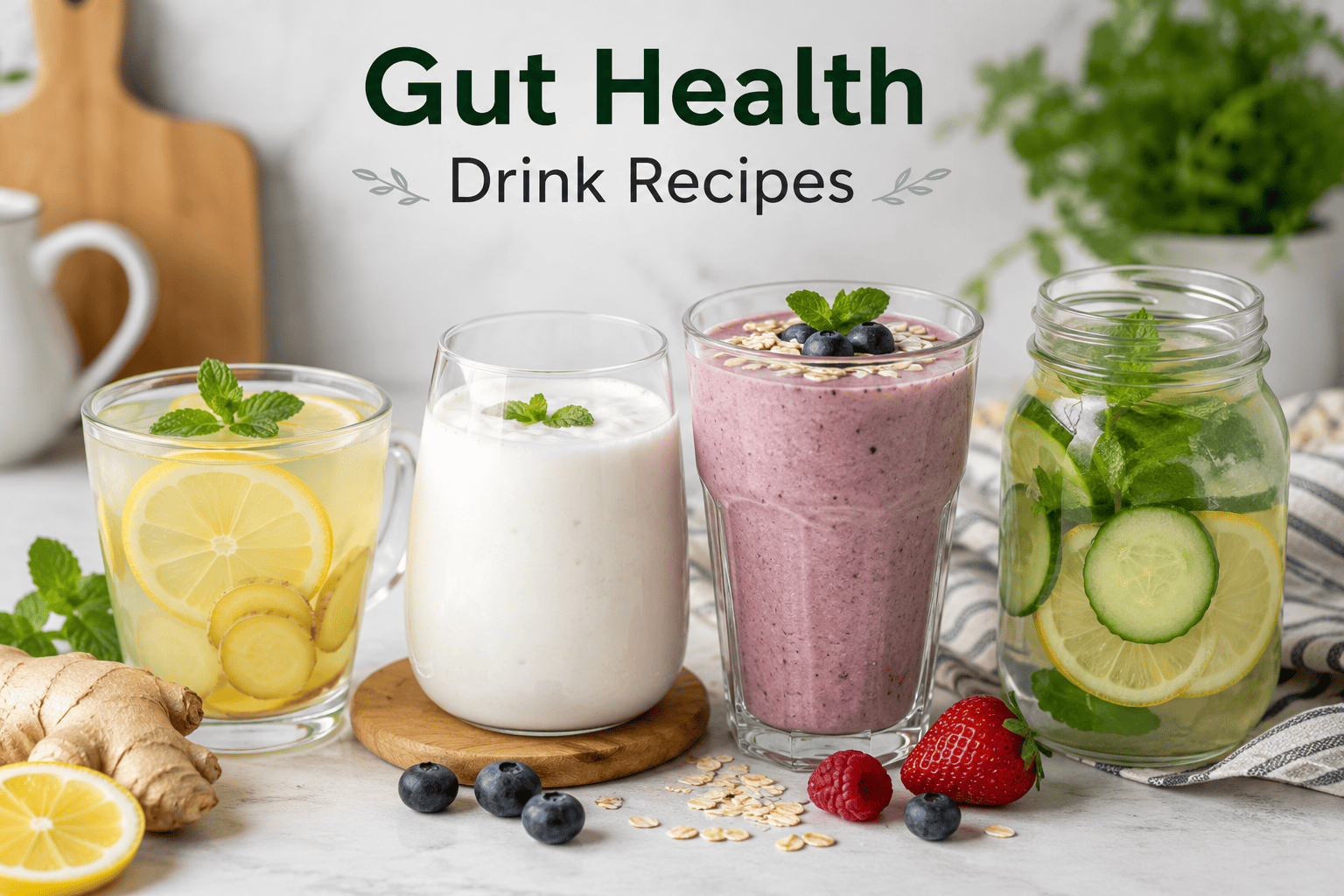
In this guide you will learn exactly which gut health drinks actually work and why, how to make powerful homemade drinks for gut health in your own kitchen, which probiotic drinks for gut health deliver real science-backed results, how the kombucha drink for gut health became a superstar, the 7 worst drinks for gut health you need to stop reaching for, and easy probiotic shots for gut health you can take every morning. Let us get into it.

https://www.youtube.com/shorts/x1j0Bmfldo4

Table of Contents

  1. What Is Gut Health and Why Do Your Drinks Matter?
  2. The Best Drinks for Gut Health in 2026
  3. Probiotic Shots for Gut Health: Small Drinks, Big Results
  4. Homemade Gut Health Drink Recipes You Can Make Today
  5. Best Morning Drink for Gut Health
  6. The Kombucha Drink for Gut Health: Everything You Need to Know
  7. The 7 Worst Drinks for Gut Health
  8. Gut Health Drinks Comparison Table
  9. FAQ: People Also Ask
  10. Conclusion

 What Is Gut Health and Why Do Your Drinks Matter?

Gut health simply means how well your digestive system is working. Your gut is home to trillions of tiny living organisms, mostly bacteria, that help you break down food, absorb nutrients, fight off illness, and even regulate your mood. When these tiny organisms are balanced and thriving, you feel great. When they are out of balance, things go wrong fast.

Your gut and what you drink are directly and powerfully related. Drinks move through your body fast. They do not sit in your stomach the way solid food does. That means the right gut health drinks can start delivering benefits almost right away, while the wrong drinks can start causing damage just as fast.

Why the Gut Is Called Your Second Brain


An illustration of a human digestive system cradling a brain inside the intestines to represent the gut-brain axis, featuring the text "Your gut is your second brain."
Trust your gut! Your digestive system acts as your “second brain,” directly influencing your mood and energy. Take care of your gut health to feel your best!


Your gut has its own nervous system, often called the enteric nervous system. With around 500 million nerve cells and a direct line to your brain through what’s known as the gut-brain axis, stress can lead to stomach aches and gut issues can lead to anxiety or brain fog.

Research indicates your gut microbiome can even influence your central nervous system, the part that governs your brain function. That’s a huge deal. It’s not just about avoiding bloating when you take care of your gut. It is about protecting your mental clarity, your mood, and your overall quality of life.

How Drinks Affect Your Gut Bacteria

The living bacteria in your gut, called your microbiome, are sensitive. They respond to what you eat and drink within hours. Feed them well with probiotic and prebiotic drinks and they multiply and thrive. Hit them with sugar, alcohol, and artificial ingredients and they start to struggle. The good bacteria weaken, the bad bacteria grow, and suddenly you feel off in ways you cannot quite explain.

Scientific research published in Frontiers in Nutrition in 2026 confirms that probiotic-enriched foods and drinks are among the most effective tools for improving digestive health and overall well-being.

According to a national health survey, 57.6 percent of US adults reported using at least one supplement in the past 30 days. A growing number of those supplements are in drink form, because drinks are easy, convenient, and enjoyable in a way that pills often are not.

The Best Drinks for Gut Health in 2026

The best drinks for gut health share a few things in common. They either contain live beneficial bacteria (probiotics), feed those bacteria (prebiotics), reduce inflammation in the gut lining, or help with the physical movement of food through your system. The very best gut health drinks often do more than one of these things at once.


A variety of healthy drinks for gut health in clear glasses, featuring green smoothies, orange citrus juices, and a red berry blend with a lemon wedge on a wooden surface.
Ready to give your digestion a boost? From probiotic-rich kefirs to refreshing green smoothies, these healthy drinks for gut health are a delicious way to reset your system. Which one are you trying first?


Water: The Most Underrated Gut Health Drink

Plain water is still the single most important drink for gut health, and most Americans are not drinking enough of it. Water helps move food through your intestines, softens stool, and keeps the lining of your gut moist and healthy. Without enough water, everything slows down. Constipation sets in, toxins build up, and your gut bacteria have a harder time doing their jobs.

The general recommendation from health experts is eight 8-ounce glasses per day, though larger individuals or those who exercise regularly may need more. Adding a squeeze of lemon to your water gives you a small boost of vitamin C, which helps your gut absorb iron from plant-based foods. It also gently stimulates digestive enzymes in the morning.

Kefir: A Probiotic Powerhouse in a Glass

Kefir is a fermented milk drink that has been consumed for over a thousand years, originally in the Caucasus mountains of Eastern Europe. It is made by adding kefir grains, which are tiny clusters of bacteria and yeast, to cow, goat, or plant-based milk. The result is a tangy, slightly fizzy drink loaded with beneficial bacteria.

Kefir is cultured using kefir grains containing symbiotic cultures of lactic acid bacteria and yeasts. It is rich in Lactobacillus and Bifidobacterium strains that support digestion, lactose breakdown, and nutrient absorption. Kefir is also a source of bioactive peptides and vitamins like B12, K2, and biotin.

What sets kefir apart from yogurt is the number and variety of probiotic strains. Kefir can contain 30 or more different strains of beneficial bacteria and yeast, compared to the two or three strains typically found in commercial yogurt. For people with lactose intolerance, kefir is often well-tolerated because the bacteria in it actually digest much of the lactose during fermentation.

Green Tea: An Anti-Inflammatory Gut Ally

Green tea has been consumed in Asia for centuries, and modern science is now catching up to explain why it has such a strong track record. It is rich in plant compounds called polyphenols. These compounds act as food for your good gut bacteria, making green tea a natural prebiotic drink.

Green tea also contains a specific type of polyphenol called EGCG, which has been shown in multiple studies to reduce inflammation in the gut lining. Chronic inflammation in the gut is linked to conditions like irritable bowel syndrome, leaky gut, and even certain types of cancer. Drinking two to three cups of green tea per day is a simple and enjoyable way to give your gut lining regular anti-inflammatory support.

Bone Broth: The Gut Lining Healer

Bone broth has moved from a trend into a staple for many Americans focused on gut health, and for good reason. When bones from chicken, beef, or fish are simmered for long periods of time, they release a protein called gelatin. Gelatin breaks down into amino acids in your body, most importantly glycine and glutamine.

Glutamine is the fuel source for the cells that line your intestines. These cells form a protective barrier between the inside of your gut and your bloodstream. When this barrier gets damaged, a condition sometimes called leaky gut can develop. Glutamine from bone broth helps repair and strengthen this barrier, making bone broth one of the best gut health drinks for people who are actively trying to heal their digestive system.

Apple Cider Vinegar Drinks

Apple cider vinegar, often called ACV, has become one of the most talked-about gut health drinks in America. Unfiltered ACV contains something called the mother, which is a cloudy collection of beneficial bacteria and enzymes. When diluted in water, it can help stimulate stomach acid production, which is essential for proper digestion and breaking down food effectively.

One tablespoon of raw, unfiltered apple cider vinegar in eight ounces of water before meals is the most common approach. It is important to always dilute it, as undiluted vinegar is acidic enough to damage tooth enamel and irritate the throat. Some people add a teaspoon of honey and a pinch of ginger for extra flavor and gut-soothing benefits.

Probiotic Shots for Gut Health: Small Drinks, Big Results

Probiotic shots for gut health are exactly what they sound like: small, concentrated doses of beneficial bacteria in a two to four ounce drink. They are one of the most convenient ways to get a meaningful probiotic boost, especially for people who are always on the go.

What Makes a Good Probiotic Shot

Not all probiotic shots are created equal. The most important thing to look for is the CFU count, which stands for colony forming units. This tells you how many live bacteria are in each shot. A quality probiotic shot should have at least one billion CFUs per serving, and ideally five billion or more.

The strain of bacteria matters too. With the rise of gut microbiome testing, individuals can now detect specific imbalances or deficiencies in their microbial communities. This empowers consumers to make more informed decisions about which probiotic drinks offer the strains their bodies lack, thus optimizing gut functionality and overall wellness.

A 2026 study in Molecular Nutrition and Food Research found that next-generation probiotic strains are now linked to specific functions, including gut barrier repair, immune regulation, and reduction of inflammation, going far beyond what older generic probiotic blends could deliver. 

Look for shots that list specific strain names on the label, such as Lactobacillus acidophilus or Bifidobacterium longum, rather than just the vague word probiotics. Brands that are transparent about their strains and CFU counts are almost always more trustworthy.

Store-Bought Probiotic Shots Worth Trying

Several well-known brands in the US market offer solid probiotic shots. GoodBelly Probiotic Shots use Lactobacillus plantarum 299v, a well-researched strain particularly associated with reducing bloating and gas. Lifeway Kefir Shots pack a high density of probiotic cultures into a small serving. Yakult, a Japanese brand widely available in American grocery stores, contains a specifically patented strain called Lactobacillus casei Shirota, which has been studied in clinical trials for decades.

How to Take Probiotic Shots for Maximum Benefit

Timing matters more than most people realize. Taking your probiotic shot first thing in the morning on an empty stomach gives the bacteria the best chance of surviving the journey through your stomach acid and reaching your intestines alive. Some research also suggests taking them with a small amount of fat, like a piece of avocado or a handful of nuts, which can help protect the bacteria during digestion.

A 2026 systematic review and meta-analysis published in BMC Medicine found that consistent probiotic supplementation measurably increases gut microbiota diversity in healthy adults across multiple clinical trials. 

Consistency is key. A single probiotic shot does not dramatically change your gut. It is the daily habit over weeks and months that allows beneficial bacteria to establish themselves and create lasting changes in your microbiome balance.

Gut Health Drink Recipes: Homemade Drinks You Can Make Today

Making homemade drinks for gut health is easier than most people think, and it is almost always cheaper than buying packaged versions at the store. These gut health drink recipes use simple ingredients you can find at any grocery store and take very little time to prepare.

Recipe 1: Golden Turmeric Gut Tonic


A glass mug of golden turmeric gut tonic garnished with a lemon slice, placed on a wooden board next to a pile of ground turmeric powder and fresh turmeric root slices.
Sip your way to better digestion! This warm, anti-inflammatory golden turmeric gut tonic is packed with antioxidants to soothe bloating and support your gut health. Perfect for a morning wellness ritual.


This warm drink combines some of the most powerful gut-supporting ingredients in one simple recipe. Turmeric contains curcumin, which reduces inflammation throughout the body, including the gut lining. Ginger soothes nausea, reduces bloating, and helps food move through your digestive system more efficiently. Black pepper contains piperine, which dramatically increases how much curcumin your body actually absorbs.

To make it, heat two cups of your milk of choice (coconut milk works especially well) in a small pot over medium heat. Add one teaspoon of ground turmeric, half a teaspoon of ground ginger, a quarter teaspoon of black pepper, and a teaspoon of honey. Stir until everything is dissolved and drink it warm. This is a perfect evening gut health drink before bed, as it also has calming, sleep-supporting properties.

Recipe 2: Fermented Lemonade (Natural Probiotic Drink)

This one surprises a lot of people because it tastes like regular lemonade but is secretly a probiotic powerhouse. You will need two cups of filtered water, the juice of two lemons, two tablespoons of raw honey, and a quarter cup of a previous batch of whey (from straining yogurt) or a packet of active yeast.

Mix everything together in a glass jar, cover loosely with a cloth, and leave it at room temperature for 24 to 48 hours. During this time, natural fermentation happens and beneficial bacteria develop. After 24 hours, taste it. When it reaches a pleasant tangy sweetness, seal it and refrigerate. Drink half a cup before meals to support digestion. This is one of the best homemade drinks for gut health because it is also genuinely delicious.

Recipe 3: Prebiotic Banana Oat Smoothie

Prebiotics are the food that your gut bacteria eat. Without enough prebiotics, even the best probiotic drinks cannot do their job properly. Bananas, especially slightly unripe ones, are packed with a prebiotic fiber called resistant starch. Oats contain another powerful prebiotic fiber called beta-glucan.

Blend one medium banana (slightly green), half a cup of rolled oats, one cup of milk or plant-based milk, a tablespoon of flaxseed, and a handful of frozen blueberries. The combination creates a drink that actively feeds your existing good gut bacteria, helping them grow and multiply. This works beautifully as a prebiotic morning drink or a post-workout gut health recovery drink.

Recipe 4: Ginger and Apple Cider Vinegar Morning Shot

This two-ounce powerhouse takes about 90 seconds to make and delivers a serious gut health punch. Mix one tablespoon of raw unfiltered apple cider vinegar, one tablespoon of freshly grated ginger juice (or half a teaspoon of ground ginger), a squeeze of lemon, a pinch of cayenne pepper, and a teaspoon of raw honey in two ounces of water. Stir well and drink it in one shot before breakfast.

The ACV stimulates digestive enzymes and stomach acid. The ginger calms the digestive tract and reduces inflammation. The cayenne gently speeds up digestion. The lemon provides vitamin C. Together, they create one of the most effective homemade gut health shots you can make for almost no cost.

Best Morning Drink for Gut Health

Your morning is the most important time of day for your gut. After seven to nine hours of sleep, your digestive system is essentially waking up along with you. What you drink first in the morning sets the tone for how your gut will function all day. The best morning drink for gut health depends on your specific goals, but a few options consistently rise to the top.

Warm Water With Lemon: The Classic That Actually Works

Drinking a glass of warm water with fresh lemon juice first thing in the morning is one of the simplest and most effective gut health habits you can build. Warm water gently activates the muscles of your intestines after sleep. Lemon juice stimulates the production of bile in your liver, and bile is what your body uses to digest fats and pull nutrients out of the food you eat.

The vitamin C in lemon also helps your body absorb iron from plant-based foods throughout the day. And because lemon juice has a slight alkalizing effect once it is metabolized, despite being acidic before you drink it, it supports a balanced internal environment that beneficial gut bacteria prefer.

Apple Cider Vinegar in the Morning

Many gut health experts and registered dietitians point to diluted ACV as one of the top morning drinks for digestive health. The acetic acid in ACV has been shown to improve the rate at which your stomach empties, which can reduce bloating and the feeling of fullness that lingers long after a meal. It also helps balance blood sugar levels when consumed before eating, which is important because blood sugar spikes directly affect gut bacteria diversity.

Probiotic Kefir: The Morning Gut Rebuilder

If you want the most powerful possible morning drink for gut health and you are not sensitive to dairy, a small glass of plain kefir first thing in the morning is hard to beat. The beneficial bacteria in kefir reach your intestines quickly on an empty stomach, and the variety of strains helps reinforce the natural diversity of your gut microbiome.

For those who prefer dairy-free options, water kefir is a fantastic alternative. It is made by fermenting water with kefir grains and a small amount of sugar, resulting in a lightly fizzy, tangy drink with a solid probiotic profile and absolutely no dairy.

The Kombucha Drink for Gut Health: Everything You Need to Know

The kombucha drink for gut health has gone from a niche health food store product to a mainstream grocery staple, and the science behind it has grown just as fast as its popularity. Kombucha is a fermented tea made by adding a symbiotic culture of bacteria and yeast, called a SCOBY, to sweetened black or green tea and allowing it to ferment for one to four weeks.


Fizzy kombucha being poured from a glass bottle into a tumbler, featuring text overlay that reads "Your gut wants kombucha."
Cheers to happy digestion! Kombucha is packed with live probiotics to balance your microbiome and boost your energy.


What Science Actually Says About Kombucha

The research on kombucha has accelerated significantly in recent years. A 2024 controlled study in Scientific Reports found that four weeks of daily kombucha shifted gut bacteria toward beneficial species, including short-chain fatty acid-producing bacteria like Bifidobacterium and Prevotella. A separate 2023 trial gave kombucha to women with constipation-predominant IBS and saw stool frequency increase by 42% within ten days.

Research from June 2025 demonstrated that kombucha can positively modulate gut microbiota in individuals with obesity, specifically enriching Weizmannia coagulans strains. This probiotic strain was more frequently detected in gut samples of regular kombucha consumers.

Short-chain fatty acids, produced by the bacteria that kombucha supports, are incredibly important. They feed the cells lining your colon, reduce inflammation, and help regulate appetite. They are also connected to a reduced risk of colon cancer.

How to Choose the Right Kombucha

With dozens of kombucha brands now filling grocery store shelves, knowing how to choose a good one is important. For maximum gut health benefits, choose brands that disclose specific probiotic strains and CFU counts rather than vague probiotic claims. The transparency trend in 2026 makes it easier to identify truly effective products versus marketing hype.

Also check the sugar content. Some commercial kombuchas are nearly as sweet as soda, which mostly defeats the purpose. Aim for brands with less than eight grams of sugar per serving. Raw, unpasteurized kombucha has a stronger probiotic profile than pasteurized versions, because heat processing kills many of the beneficial bacteria.

How Much Kombucha Should You Drink?

Most health professionals suggest starting with four to eight ounces of kombucha per day and working up to a maximum of sixteen ounces if your stomach tolerates it well. Starting slowly is important because the live cultures in kombucha can cause temporary bloating or gas in people who are new to probiotic-rich drinks, as your gut bacteria adjust to the new input.

Drinking kombucha with food, rather than on a completely empty stomach, tends to reduce the likelihood of initial digestive discomfort. Morning or lunchtime is generally better than late evening, simply because the caffeine from the tea base can interfere with sleep for sensitive individuals.

Making Your Own Kombucha at Home

Brewing kombucha at home is surprisingly simple and dramatically cheaper than buying it at the store. You need a SCOBY (available online or from a friend who brews), sweetened tea, a large glass jar, and patience. The basic process involves brewing a gallon of sweet tea, letting it cool to room temperature, adding your SCOBY, and about a cup of finished kombucha from a previous batch, covering the jar with a cloth, and leaving it at room temperature for seven to fourteen days.

The longer it ferments, the less sweet and more vinegary it becomes. Most people find that ten to twelve days produces the best balance of taste and probiotic content. Once it reaches a flavor you enjoy, bottle it in the fridge and start a new batch.

In 2026, the biggest growth in the kombucha category is not happening in bottles. It is happening in powder. Kombucha powder solves several long-standing consumer pain points and enables new formats from kombucha energy shots to powdered electrolyte mixes.

The 7 Worst Drinks for Gut Health

Understanding the best gut health drinks is only half the picture. Just as important is knowing which drinks are actively working against your gut, because no matter how many probiotic shots you take in the morning, a steady intake of gut-damaging drinks will cancel out much of that work.


Green, orange, and red fruit juices surrounded by fresh strawberries, citrus halves, and mint leaves on a black background.
Not all drinks are friendly to your microbiome! High-sugar beverages can feed bad bacteria and cause inflammation. Here are the 7 worst drinks for your gut.


1. Sugary Sodas and Soft Drinks

Regular sodas are among the absolute worst drinks for gut health. They are loaded with high-fructose corn syrup and refined sugar, which are essentially fuel for harmful gut bacteria. Regular soda consumption is linked to inflammation in the digestive tract, making it one of the worst choices for gut health and digestion.

A standard 12-ounce can of cola contains around 39 grams of sugar. That is roughly five times more sugar than a serving of kombucha, which averages five to eight grams of sugar per serving. When that much sugar floods your gut, the harmful bacteria have a feast, growing rapidly while your beneficial bacteria struggle to keep up.

The sugar found in sodas disrupts the microbiota and could increase a person’s risk of diabetes, according to a 2025 study published in Cell Metabolism.

2. Diet Sodas and Artificially Sweetened Drinks

Many people switch to diet soda thinking they are making a healthier choice for their gut. The reality is more complicated. A 2018 study in the journal Molecules reports that the consumption of artificial sweeteners has been linked with myriad adverse effects, including a negative change in gut microbiome activity. In July 2023, the World Health Organization labeled the non-sugar sweetener aspartame as possibly carcinogenic to humans.

Artificial sweeteners like aspartame, sucralose, and saccharin pass through your digestive system largely unchanged. They interact directly with your gut bacteria and have been shown in multiple studies to reduce the diversity of your microbiome, which is one of the key markers of a healthy gut. Less diversity means less resilience, worse digestion, and a weakened immune system.

3. Alcohol

Alcohol is one of the most gut-damaging substances that most Americans consume regularly. Drinking too much alcohol can affect the microbiota, causing an imbalance with an overgrowth of bad, unhealthy bacteria. This imbalance leads to inflammation. Chronic alcohol abuse can also damage the cells that line the gut, increasing its permeability, which allows bacteria and the toxins they produce to leak into the bloodstream.

Research published in the journal Gut Microbes in 2020 suggests that drinking alcohol excessively is associated with dysbiosis, which is the medical term for an imbalance of gut bacteria. Red wine is a partial exception in moderation, as it naturally contains polyphenols, plant compounds that may help beneficial bacteria flourish.

4. Energy Drinks

Energy drinks have become a billion-dollar industry, but your gut pays a price for them. These drinks are marketed as quick fuel, but their high caffeine and sugar content put major stress on the digestive system. The caffeine can irritate the stomach lining, while the sugar feeds harmful bacteria.

Most energy drinks also contain artificial colors, synthetic B vitamins in doses far beyond what your body can use, and acidic preservatives. The combination creates a genuinely hostile environment for the beneficial bacteria in your gut. Some popular energy drinks contain as much as 80 grams of sugar per can, which is more than two days worth of the American Heart Association’s recommended sugar limit.

5. Fruit Juice (in Large Amounts)

This one surprises people, because fruit sounds healthy. And in moderate amounts, some fruit juices do have real benefits. But even 100 percent juice can be hard on digestion if consumed in excess because of the high fructose content. Over time, these juices can upset the gut microbiome and trigger bloating or diarrhea.

When fruit is juiced, the fiber is removed. Fiber is one of the most important foods for your gut bacteria. Without fiber, juice is essentially sugar water, and it hits your bloodstream fast. A glass of orange juice contains almost as much sugar as a can of soda, with none of the fiber that would slow down absorption if you ate the whole orange instead.

6. Processed Dairy-Based Drinks

Not all dairy is bad for your gut. Plain kefir and plain yogurt are excellent for gut health. The problem is flavored dairy drinks, milkshakes, and sweetened coffee creamers. Processed milkshakes and flavored dairy beverages often contain added sugars, stabilizers, and artificial flavors. For those sensitive to lactose, these drinks can lead to cramps, bloating, and gas.

Stabilizers and emulsifiers found in many processed dairy drinks have been shown in emerging research to disrupt the mucus layer that protects your gut lining. This layer is critical for keeping bacteria in the right place and preventing inflammation.

7. Excessive Coffee (Without Buffers)

Coffee in moderate amounts, one to two cups per day, is actually associated with some gut health benefits because it is a natural prebiotic that stimulates bowel movements. The problem is excessive coffee, especially on an empty stomach.

Very high coffee intake stimulates your gut to move too quickly, which can prevent proper nutrient absorption. It also significantly increases acid production in your stomach, which can irritate the gut lining over time. If you love your coffee and do not want to give it up, pairing it with food, keeping it to two cups or less per day, and choosing low-acid varieties can significantly reduce the gut-disrupting effects.

Gut Health Drinks Comparison Table

DrinkProbiotic?Prebiotic?Anti-Inflammatory?Best ForRating
KombuchaYesMildYesOverall gut supportExcellent
KefirYesNoMildMicrobiome diversityExcellent
Green TeaNoYesYesGut lining healthVery Good
Bone BrothNoNoYesGut lining repairVery Good
Water with LemonNoNoMildDaily hydrationVery Good
ACV DrinkMildNoMildDigestion stimulationGood
Probiotic ShotYesNoNoQuick probiotic doseGood
SodaNoNoNoNothing beneficialAvoid
Diet SodaNoNoNoNothing beneficialAvoid
AlcoholNoNoNoNothing beneficialAvoid
Energy DrinksNoNoNoNothing beneficialAvoid

FAQ: People Also Ask About Gut Health Drinks

What is the single best drink for gut health?

Kefir is widely considered the most effective single gut health drink because it contains more probiotic strains than almost any other natural drink, including Lactobacillus and Bifidobacterium. It also provides vitamins B12 and K2. For those who avoid dairy, kombucha is the next best option with strong clinical backing.

Can gut health drinks help with bloating?

Yes, and quite effectively. Probiotic drinks like kombucha and kefir reduce bloating by rebalancing gut bacteria. Ginger-based drinks reduce gas and inflammation in the digestive tract. A 2023 clinical trial found that women with constipation-type IBS who drank kombucha daily saw stool frequency increase by 42 percent within ten days, which also reduced bloating significantly.

How long before gut health drinks start working?

Most people notice improvements in digestion within one to two weeks of consistently consuming probiotic drinks daily. For deeper changes in your gut microbiome composition, research suggests four weeks of consistent daily consumption is typically needed. Changes in energy, mood, and skin clarity can take six to eight weeks.

Are probiotic shots for gut health worth buying?

Yes, if you choose quality brands. The key is looking for shots with at least one billion CFUs, specific named bacterial strains on the label, and no excessive added sugar. They are especially useful when you cannot access fermented foods like kefir or kombucha, because the concentrated format makes them easy to take quickly.

What is the best morning drink for gut health?

For most people, warm water with lemon first thing in the morning is the simplest and most accessible gut health morning drink. It wakes up your digestive system gently. If you want more powerful results, a small glass of plain kefir or a homemade ACV ginger shot before breakfast can provide a meaningful probiotic and digestive enzyme boost.

Is the kombucha drink for gut health safe for everyone?

Kombucha is safe for most healthy adults when consumed in reasonable amounts of four to sixteen ounces daily. People who are pregnant, breastfeeding, immunocompromised, or managing certain health conditions should speak with a doctor before drinking kombucha regularly, because it does contain small amounts of alcohol and caffeine from the fermentation process.

What homemade drinks for gut health are easiest to make?

The easiest homemade gut health drink is diluted apple cider vinegar, one tablespoon in eight ounces of water with a squeeze of lemon and honey. It takes 60 seconds to make and costs almost nothing. The golden turmeric tonic is the next easiest, requiring just milk and three spices. Both can be prepared in under two minutes every morning.

What drinks should I completely avoid for gut health?

The drinks to avoid most are regular sodas, diet sodas with artificial sweeteners, excessive alcohol, high-sugar energy drinks, and large quantities of commercial fruit juice. No single beverage will damage your gut overnight, but certain drinks make it harder for your gut microbiome to thrive, especially when consumed often. Reducing or eliminating these from your daily routine is one of the fastest things you can do to improve how your gut feels.

Conclusion

An assortment of fresh fruit juices in glasses and carafes on a wooden table, surrounded by whole fruits like pineapples, grapes, and citrus.
Your gut health is a journey, not a quick fix. Choosing the right beverages can completely transform your digestion and energy. Which healthy drink are you adding to your daily routine? Let us know in the comments.


Your gut health is not a background process. It shapes your energy, your mood, your immune strength, and your long-term health in ways that scientists are still uncovering. And the drinks you reach for every day, whether that is a cold glass of kombucha, a morning shot of ACV and ginger, or a tall sugary soda, are actively influencing those outcomes right now.

Here are your three key takeaways from this guide. First, the best gut health drinks work because they add beneficial bacteria, feed existing bacteria, or protect the gut lining, and the top options are kefir, kombucha, green tea, bone broth, and simple lemon water. Second, homemade drinks for gut health are just as effective as expensive store-bought versions, and the ginger ACV shot and golden turmeric tonic can be made in under two minutes. Third, removing the 7 worst drinks for gut health from your routine, especially sodas, diet drinks, and excessive alcohol, may deliver faster results than anything you add.

The gut health foods and prebiotic drinks market is expected to reach USD 106.25 billion by 2033, which tells you that millions of people are already waking up to this. You do not have to overhaul your entire lifestyle overnight. Start with one swap. Swap your morning soda for water and lemon. Add one kombucha to your weekly routine. Make a probiotic shot a morning habit. Small, consistent changes in what you drink will build a healthier gut than any single miracle product ever could.

Start today. Your gut is ready to feel better.