93/7 Ground Turkey Nutrition: The Full 2026 Guide
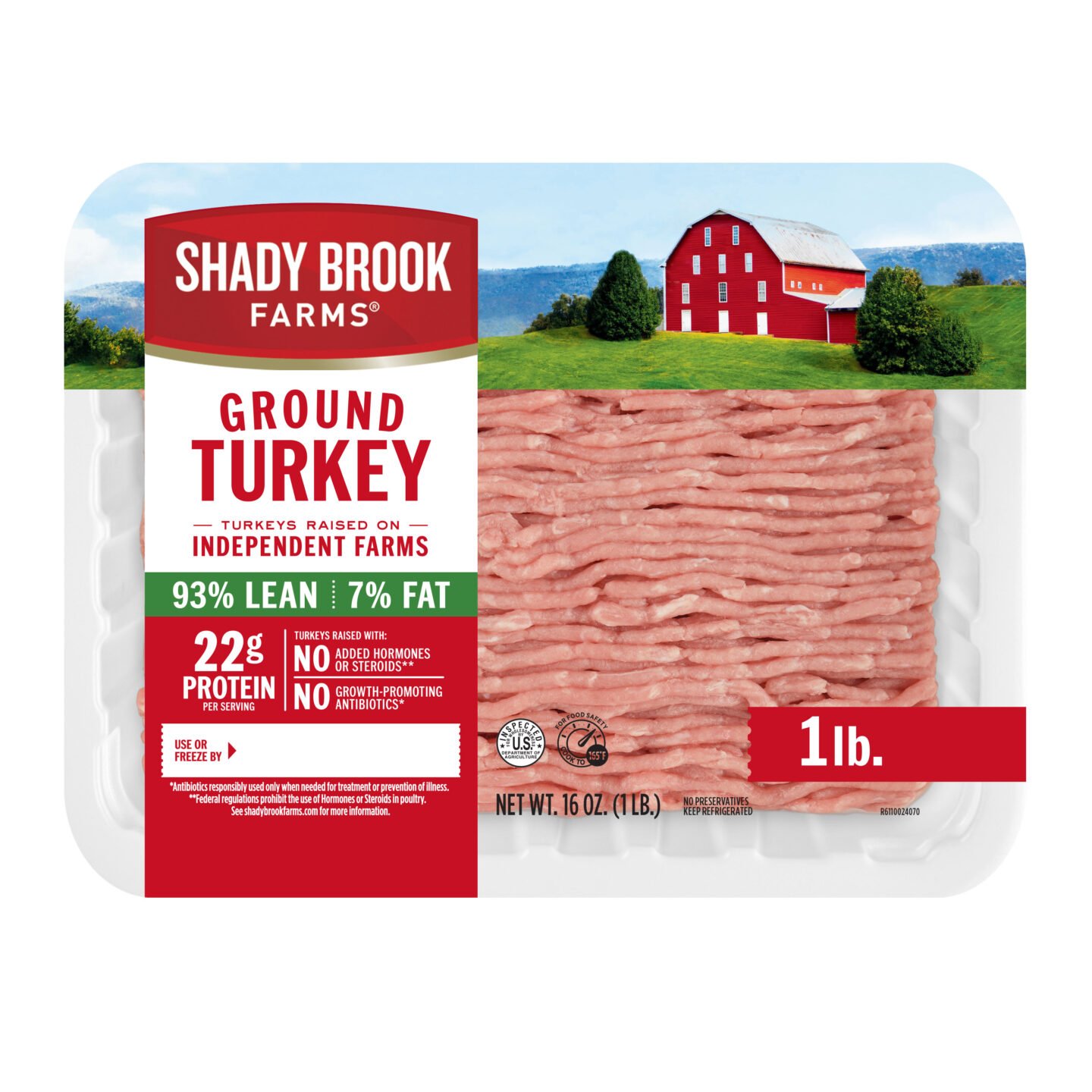
If you have been trying to understand 93/7 ground turkey nutrition, you already know it is one of the most popular proteins in American grocery stores. The 93/7 label tells you that 93 percent of the product is lean meat and 7 percent is fat, and that specific ratio hits a sweet spot that most people find ideal. It is lean enough to fit almost any health goal, flavorful enough to actually enjoy eating, and versatile enough to work in dozens of recipes you are already making every week.
But most articles stop at the basic label and leave you with more questions than answers. How do the numbers change once you cook it? What does it look like per 100 grams? How does it stack up against other proteins? What vitamins and minerals are actually inside it? This guide answers every one of those questions with real data from USDA FoodData Central 2026 and plain language that anyone can follow.
Before diving into the numbers, it is worth knowing that ground turkey nutrition as a broader category is what makes the 93/7 variety so interesting. It sits in a uniquely useful position between the completely fat-free options and the higher-fat blends, and understanding exactly where it sits is what this guide is built around.
https://www.youtube.com/shorts/x59qRInhQSM
Table of Contents
- What 93/7 Actually Means and Why It Matters
- 93/7 Ground Turkey Nutrition Facts: Raw Numbers in Full
- Ground Turkey 93/7 Nutrition Cooked: How the Numbers Shift
- Cooked 93/7 Ground Turkey Nutrition Per 100 Grams
- Vitamins and Minerals Inside 93/7 Ground Turkey
- How 93/7 Ground Turkey Fits Your Health Goals
- FAQ: People Also Ask
- Conclusion
What 93/7 Actually Means and Why It Matters
The 93/7 label on a package of ground turkey is a lean-to-fat ratio that tells you exactly what percentage of the product is lean meat versus fat by weight. Ninety-three percent of every pound is lean turkey meat, and seven percent is fat. That seven percent comes primarily from dark meat and sometimes from a small amount of skin being included in the grind.
This ratio is not arbitrary. The USDA has a formal definition for what qualifies as a lean meat product. To earn the word “lean” on a label, a meat must contain fewer than 10 grams of total fat, fewer than 4.5 grams of saturated fat, and fewer than 95 milligrams of cholesterol per 100 gram serving. The 93/7 blend meets all three of those thresholds, which is why it carries the lean designation.

Why 93/7 Is the Most Popular Ground Turkey Blend
Walk into any grocery store in the United States, and the 93/7 variety takes up more shelf space than any other ground turkey blend. There is a clear reason for that. The 99 percent lean version, while impressively low in fat, is very dry to cook with and requires extra effort to keep it from becoming crumbly and flavorless. The 85/15 and 80/20 blends taste better but add meaningfully more fat and calories per serving.
The 93/7 blend threads the needle. It is lean enough to satisfy nearly any nutrition goal. It has just enough fat from the dark meat to stay moist in the pan, carry seasoning well, and produce a finished dish that tastes like it was actually made with care.
Does the brand affect the 93/7 nutrition numbers?
Not significantly in terms of macros, but it can matter for sodium. Butterball, Jennie-O, and Shady Brook Farms all produce 93/7 ground turkey, and their protein, fat, and calorie numbers stay very close to the USDA baseline. The difference that shows up between brands is sodium content.
Some brands inject a salt solution into the turkey before packaging as a preservative and texture treatment. This can push sodium from a natural 75 to 90 milligrams per serving up to 290 or even 350 milligrams. If sodium is something you are monitoring, always flip the package over and read the ingredients list before buying.
93/7 Ground Turkey Nutrition Facts: Raw Numbers in Full
Ground turkey 93/7 nutrition starts with the raw label, which is what the package always shows. All USDA and grocery store labels list nutrition facts for the raw, uncooked meat unless the package specifically states otherwise. Here is the complete raw nutrition profile per 4-ounce serving (113 grams) based on USDA FoodData Central 2026 data.
| Nutrient | Amount Per 4 oz Raw (113g) | % Daily Value |
|---|---|---|
| Calories | 170 | 9% |
| Total Fat | 9g | 12% |
| Saturated Fat | 2.5g | 13% |
| Trans Fat | 0g | 0% |
| Cholesterol | 85mg | 28% |
| Sodium | 85mg | 4% |
| Total Carbohydrates | 0g | 0% |
| Dietary Fiber | 0g | 0% |
| Total Sugars | 0g | 0% |
| Protein | 21g | 42% |
| Vitamin D | 0.4mcg | 2% |
| Calcium | 24mg | 2% |
| Iron | 1.3mg | 8% |
| Potassium | 240mg | 6% |
| Selenium | 19mcg | 35% |
| Zinc | 2.9mg | 26% |
| Niacin (B3) | 6mg | 38% |
| Vitamin B12 | 1.4mcg | 58% |
| Vitamin B6 | 0.4mg | 24% |
| Phosphorus | 220mg | 18% |
The Zero Carbohydrate Fact
One of the most consistent facts across every type of ground turkey, including the 93/7 blend, is that there are zero carbohydrates. No sugar, no dietary fiber, no starch. Plain ground turkey contributes nothing to your daily carbohydrate intake, which is one of the main reasons it fits so cleanly into low-carb eating plans, blood sugar management approaches, and high-protein diets of all kinds.
Raw Nutrition Per 100 Grams
Many people who use a kitchen scale prefer to track food by 100 grams rather than by a serving size that does not match what they actually weigh out. Here is what 93/7 ground turkey nutrition looks like per 100 grams raw, sourced from USDA FoodData Central 2026:
Nutrient Per 100g Raw
Calories 150
Protein 18.7g
Total Fat 8.3g
Saturated Fat 2.2g
Cholesterol 75mg
Sodium 75mg
Carbohydrates 0g
Selenium 19.3mcg
Zinc 2.6mg
Iron 1.2mg
Potassium 213mg
Phosphorus 195mg
Niacin (B3) 5.3mg
Vitamin B12 1.2mcg
Ground Turkey 93/7 Nutrition Cooked: How the Numbers Shift
Ground turkey 93/7 nutrition cooked looks different from the raw numbers because cooking removes water from the meat through evaporation. The protein, fat, and micronutrients remain in the turkey. The water leaves as steam. This means the same nutrients end up concentrated into a smaller, heavier weight of cooked meat.
This is the single most common tracking mistake people make with ground turkey. They weigh it raw, cook it, eat what is left, and wonder why their calorie counts seem off. The raw label and the cooked label are measuring the same food at different points in time with very different water content.

The Simple Rule for Tracking Ground Turkey Accurately
The rule is straightforward. If you weigh your turkey before cooking, use the raw nutrition values from the package. If you weigh your turkey after cooking, use the cooked nutrition values. Never mix the two. Using raw values on cooked turkey will cause you to undercount calories and protein by a meaningful margin.
Cooked 93/7 Ground Turkey Nutrition: Full Numbers
Here is the complete cooked 93/7 ground turkey nutrition profile based on USDA pan-broiled crumble data. These numbers reflect what 4 ounces of raw turkey becomes after cooking on the stovetop, which is approximately 3 ounces of cooked turkey due to moisture loss.
Nutrient 4 oz Raw (Before Cooking) 3 oz Cooked (What 4 oz Becomes) 4 oz Cooked (If You Weigh After)
Calories 170 160 213
Protein 21g 22g 29g
Total Fat 9g 8.5g 11.3g
Saturated Fat 2.5g 2.3g 3.1g
Sodium 85mg 90mg 120mg
Carbohydrates 0g 0g 0g
Selenium 19mcg 21mcg 28mcg
Zinc 2.9mg 3.0mg 4.0mg
Niacin (B3) 6mg 7mg 9.3mg
Vitamin B12 1.4mcg 1.5mcg 2.0mcg
Does Draining the Pan Reduce the Calories
Yes, and the effect is meaningful for people tracking carefully. When ground turkey cooks in a skillet, some fat renders out of the meat and collects in the pan as liquid. The USDA cooked nutrition values assume you are not draining that liquid. If you tilt the pan and drain the fat after cooking, your final dish has slightly fewer calories and less total fat than even the cooked values suggest.
Cooked 93/7 Ground Turkey Nutrition Per 100 Grams
Cooked 93/7 ground turkey nutrition per 100 grams is the reference point that food scientists, registered dietitians, and detailed calorie trackers use most often because it removes the confusion around serving sizes entirely. Here is what the USDA pan-broiled data shows per 100 grams of cooked 93/7 ground turkey:

| Nutrient | Per 100g Cooked |
|---|---|
| Calories | 213 |
| Protein | 28.5g |
| Total Fat | 11.2g |
| Saturated Fat | 3.0g |
| Cholesterol | 108mg |
| Sodium | 118mg |
| Carbohydrates | 0g |
| Water Content | 58.5g |
| Selenium | 32mcg |
| Zinc | 3.7mg |
| Iron | 1.5mg |
| Potassium | 280mg |
| Phosphorus | 238mg |
| Niacin (B3) | 8.8mg |
| Vitamin B12 | 1.8mcg |
| Vitamin B6 | 0.5mg |
Why the Calories Per 100 Grams Are Higher Cooked Than Raw
Many people are surprised by this. The raw 93/7 turkey ground weighs in at 150 calories per 100 g. When cooked, the calories jump to 213 per 100 grams. The turkey didn’t gain calories while cooking. The water in the meat drained away, resulting in a 100 gram cooked turkey that is denser. It is not the calorie level that matters, but how it looks.
Raw turkey contains about 72 percent of its weight in water. The weight of cooked turkey is reduced to 58 percent. The removed water makes the number of calories per 100g look higher in the cooked version even though there are no changes to the food.
Protein Per 100 Grams Cooked Is Exceptional
The protein density of cooked 93/7 ground turkey is one of the most impressive numbers in everyday grocery foods. At 28.5 grams of protein per 100 grams cooked, it beats most other common proteins people eat regularly. Eggs provide about 13 grams per 100 grams. Canned tuna provides about 26 grams per 100 grams. Cooked chicken breast provides about 31 grams per 100 grams. Ground turkey lands comfortably in that same elite tier.
Vitamins and Minerals Inside 93/7 Ground Turkey
The vitamin and mineral content of 93/7 ground turkey is where it becomes more than just a protein source. It is a genuinely nutrient-dense food that contributes meaningfully to several daily targets that a lot of Americans fall short on, according to the 2020-2025 Dietary Guidelines for Americans.
Selenium: One of the Best Dietary Sources Available
Selenium is a mineral most people are familiar with but very few track. One 4-ounce cooked serving of 93/7 ground turkey contains approximately 28 micrograms, which is around 51 percent the adult daily requirement.
Selenium is a thyroid hormone supporter and antioxidant in cells. The thyroid gland contains more selenium in a gram of tissue per human than any other organ. Selenium deficiency can cause thyroid dysfunction, which is manifested as fatigue, mood changes, and weight gain.
Vitamin B12: Important for Energy, Nerves, and Blood
A 4-ounce cooked serving of 93/7 ground turkey contains about 2.0 micrograms, or 83 percent of your daily requirement, of vitamin D. The body is able to absorb B12 in animal foods such as turkey, which comes in a form known as methyl cobalamin.
It is not the same as B12 found in some supplements or fortified foods, which are less bioavailable. B12 is needed to make red blood cells and keep nerve pathways functioning properly. It also supports the production of DNA by every cell.
Ground turkey is an excellent source of B12 for adults over 50, pregnant women, and people who eat a lot of plant-based food.
Niacin: Energy Metabolism and DNA Repair
Niacin, also called vitamin B3, is one of the best nutrients in 93/7 ground turkey. A cooked 4-ounce serving provides roughly 9.3 milligrams, covering about 58 percent of the daily value. Niacin helps convert the food you eat into adenosine triphosphate, which is the form of energy your cells actually use. It also plays a role in repairing DNA and keeping the nervous system communicating properly.
Zinc and Its Role Beyond Immunity
A cooked 4-ounce serving of ground turkey 93/7 contains about 4.0 mg of zinc. This is equivalent to approximately 36 percent of your daily requirement. The connection between zinc and immune support is real. Zinc is involved in more than 300 enzyme processes, such as protein synthesis, healing of wounds, and the function of your senses.
Ground turkey is a good source of zinc. Animal-derived zinc is more readily absorbed than zinc from plants, because plants contain phytates, which block zinc absorption. Ground turkey is a better zinc source than plant foods containing zinc, such as beans and nuts.
How 93/7 Ground Turkey Fits Your Health Goals
93/7 ground turkey nutrition works across a wider range of health goals than most single proteins can cover. This section breaks down exactly how to think about it for the goals most common among American adults in 2026.

For Weight Loss
Ground turkey with a protein-to-calorie ratio of 93/7 is among the best-selling proteins in grocery stores. A cooked 4-ounce portion contains 29 grams of proteins for only 213 calories. The most filling macronutrient is protein.
The American Journal of Clinical Nutrition published research that showed how higher protein diets reduced hunger between meals and helped people feel less deprived. They also lower the total daily caloric intake.
Two 4-ounce portions of cooked 93/7 turkey ground per day, if you’re trying to lose weight, will give you 426 calories and 58 grams of protein. This leaves plenty of room for vegetables, healthy fats, and complex carbohydrates while still staying within the weight loss target.
For Building and Keeping Muscle
To build muscle, you need a constant supply of protein that contains all nine essential amino acids. 93/7 Ground Turkey delivers just that. Each serving is rich in leucine. This amino acid is directly related to the synthesis of muscle proteins after exercise.
The Journal of the International Society of Sports Nutrition published a review in 2025 that confirmed animal-based protein, including poultry, remains among the best options to support muscle growth and maintenance for all age groups. The general guideline for people who do strength training is to aim for 0.7-1 gram of protein per pound of body weight each day.
For Heart Health
The American Heart Association advises limiting saturated fat intake as part of a heart-healthy eating approach. With 2.5 grams of saturated fat per raw 4-ounce serving and 3.0 grams per cooked 100-gram serving, 93/7 ground turkey fits comfortably within those recommendations while still providing a full and satisfying protein source.
Its zero-carbohydrate, zero-sugar content makes it an excellent choice for those who are managing their blood sugar or working with a cardiologist on diet modification.
For Everyday General Health
Most people do not have a single dramatic health goal. They just want to eat well most of the time without overthinking every meal. For that purpose, 93/7 ground turkey is close to ideal. Cooking it well on the stove takes about 12 to 14 minutes. It works on tacos on Tuesday, pasta sauce on Thursday, and chili on Sunday. The full cooking guide is covered in how to cook ground turkey on stove, which goes through every step in detail for getting the best texture and flavor every time.
FAQ: People Also Ask About 93/7 Ground Turkey Nutrition
How many calories are in 93/7 ground turkey, cooked?
A 3-ounce cooked portion of 93/7 turkey ground, which is the same as a 4-ounce standard raw serving, has approximately 160 calories. When you weigh your cooked turkey and it is 4 ounces, that’s around 213 calories. To stay accurate, always track whether you weighed the turkey before or after cooking.
What is the protein content of cooked 93/7 ground turkey?
Cooked 93/7 ground turkey provides approximately 29 grams of protein per 4-ounce cooked serving and about 28.5 grams per 100 grams cooked. The protein is a complete protein containing all nine essential amino acids. It is highly bioavailable, meaning the body absorbs and uses it efficiently, which matters especially for muscle building and recovery.
Is 93/7 ground turkey good for weight loss?
Yes. The high protein content of 93/7 ground turkey increases feelings of fullness and helps preserve muscle mass during a calorie deficit. At 160 calories and 22 grams of protein per standard cooked serving, it delivers an excellent protein-to-calorie ratio. Two servings per day can cover a substantial share of daily protein needs within a weight loss calorie target.
How does 93/7 cooked ground turkey nutrition differ from raw?
The raw label shows 170 calories and 21 grams of protein per 4-ounce serving. After cooking, those same 4 ounces of raw turkey become about 3 ounces of cooked turkey with 160 calories and 22 grams of protein. The numbers look slightly different because water evaporates during cooking and concentrates the nutrients. The actual protein and fat you eat is nearly identical.
How much fat is in cooked 93/7 ground turkey?
A 3-ounce cooked serving of 93/7 ground turkey contains approximately 8.5 grams of total fat, with about 2.3 grams of that being saturated fat. Per 100 grams cooked, the total fat is approximately 11.2 grams. This qualifies as lean by USDA standards, which require fewer than 10 grams of total fat per 100-gram serving for the lean label.
Conclusion: Three Things to Take With You
This guide will help you remember three things. First, always know if you are tracking raw or cooked values. The same food is being measured at different water contents, and the numbers are different because of that alone.
Second, the 93/7 blend will work for the majority of people. It’s lean enough to meet USDA standards for leanness, tasty enough to enjoy cooking with, and nutritionally complete.
Third, the micronutrients are just as important as macronutrients. Many Americans are deficient in selenium, B12, and zinc. Regularly eating 93/7 turkey ground two to four days per week can help close those gaps without the need for supplements or special foods.
You can start tracking the weight of your turkey, select the 93/7 blend to balance it, and add it to your weekly meals. In 2026, it will be one of the most useful proteins in any American supermarket.


Post Comment