Ground Turkey Nutrition: Calories, Protein, Fat by Type
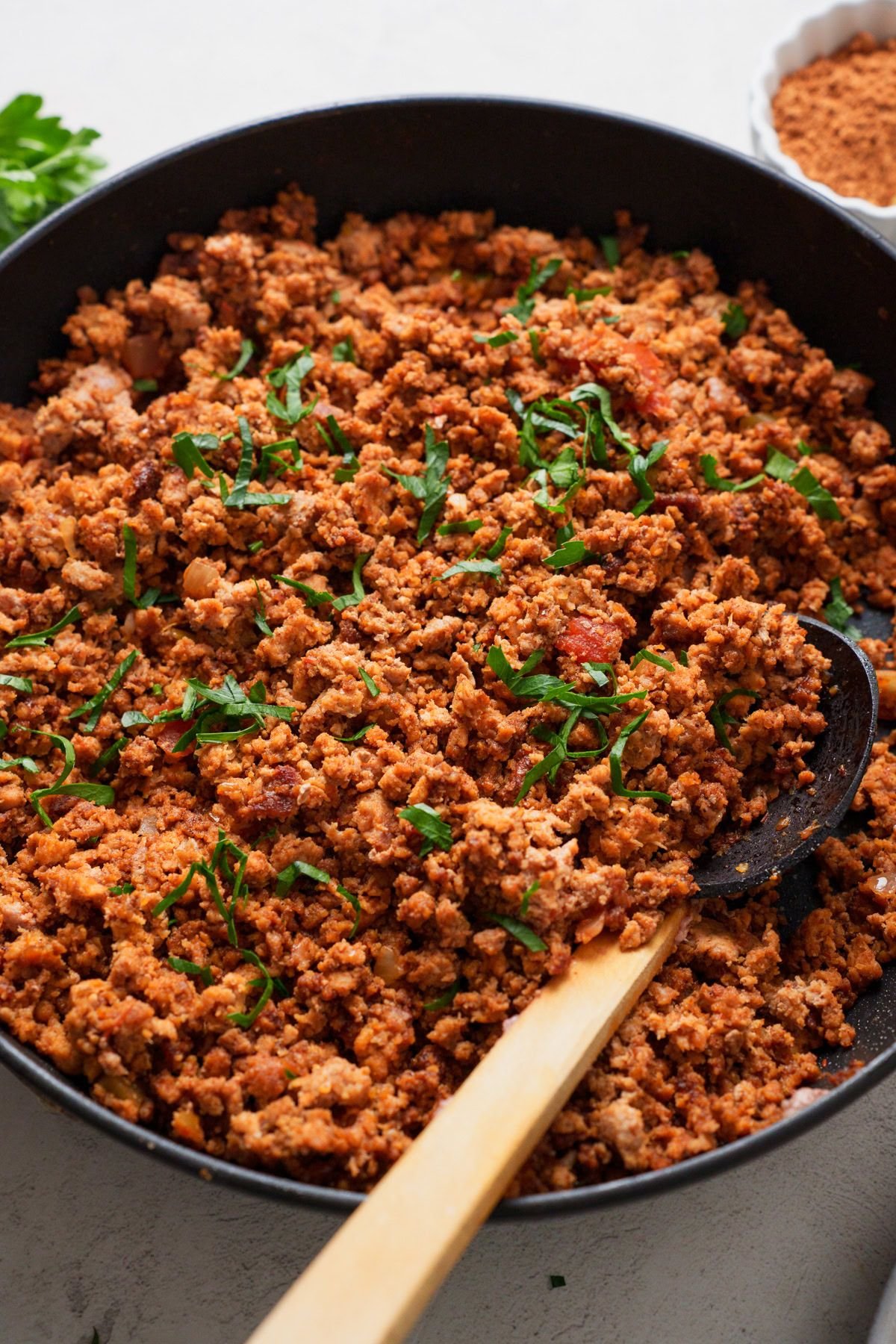
Ground turkey nutrition changes depending on the lean-to-fat ratio and whether you’re measuring it raw or cooked. A 99% lean product won’t have the same calories or fat as 85/15 turkey.
If you’re choosing between different packages or tracking what you eat, those differences matter. Below, you’ll find the main nutrition facts, how 93/7 compares with leaner options, what happens to the numbers after cooking, and how ground turkey compares with beef.
https://www.youtube.com/watch?v=_aXt9XtK_uU
Table of Contents
- Ground Turkey Nutrition: Calories, Protein, Fat, and Key Nutrients
- Ground Turkey Nutrition Facts: A Full Breakdown by Type
- 93/7 Ground Turkey Nutrition: Why This Is the Fan Favorite
- How to Cook Ground Turkey on the Stove
- Calories in Cooked Ground Turkey: What Changes After Cooking
- Turkey vs Ground Beef Nutrition: The Side-by-Side Comparison
- The Vitamins and Minerals Inside Ground Turkey
- How Ground Turkey Fits into Your Daily Diet
- FAQ: People Also Ask About Ground Turkey Nutrition
Ground Turkey Nutrition: Calories, Protein & Fat
Ground turkey nutrition depends mainly on the lean-to-fat ratio, serving size, brand, and whether you weigh the meat raw or cooked. A package marked 99% lean won’t have the same calorie or fat content as 85/15 turkey.
If you’re comparing packages, tracking calories, or trying to get more protein from your meals, those differences matter. This page breaks down the main nutrition facts, explains what changes during cooking, and compares ground turkey with ground beef.
What Is Ground Turkey?
Ground turkey is turkey meat that has been mechanically ground into smaller pieces. It can come from breast meat, thigh meat, or a combination of different cuts. Some products may also contain skin, which affects the fat content.
That’s why you shouldn’t assume every package has the same nutrition profile. The lean-to-fat ratio on the label is a useful starting point when comparing products.
What Do 93/7, 85/15 and 80/20 Mean?
The numbers describe the stated proportion of lean meat and fat.
For example, 93/7 ground turkey is labeled as 93% lean and 7% fat. An 85/15 product contains more fat.
As the fat percentage increases, calories usually increase as well. The trade-off is that higher-fat turkey tends to have a softer texture and richer flavor.
Ground Turkey Nutrition Facts
The nutrition profile changes with the fat content. For a fair comparison, use the same serving size and make sure you’re comparing raw with raw or cooked with cooked.
For raw turkey, a typical comparison looks like this:
| Type | Calories | Protein | Total Fat | Saturated Fat | Carbs |
|---|---|---|---|---|---|
| 99% lean | ~120 | ~26 g | ~1 g | ~0 g | 0 g |
| 93/7 | ~160 | ~22 g | ~8 g | ~2.5 g | 0 g |
| 85/15 | ~200 | ~20 g | ~13 g | ~3.5 g | 0 g |
| 80/20 | ~230 | ~19 g | ~17 g | ~4.5 g | 0 g |
These figures should be treated as representative rather than universal. Nutrition varies by product and formulation, so the package label or the specific USDA FoodData Central entry is the better source when you’re tracking precisely. Your existing article presents these values as fixed across varieties, which is too definitive.
Ground Turkey Nutrition Per 100 Grams
A kitchen scale makes it easier to compare products using the same weight.
For raw turkey, approximate values include:
- 93/7: about 150 calories, 19 g protein, and 8 g fat
- 99% lean: about 108 calories, 23 g protein, and less than 1 g fat
- 85/15: about 176 calories, 18 g protein, and 12 g fat
The exact numbers depend on the product you’re using.
Does the Brand Matter?
It can.
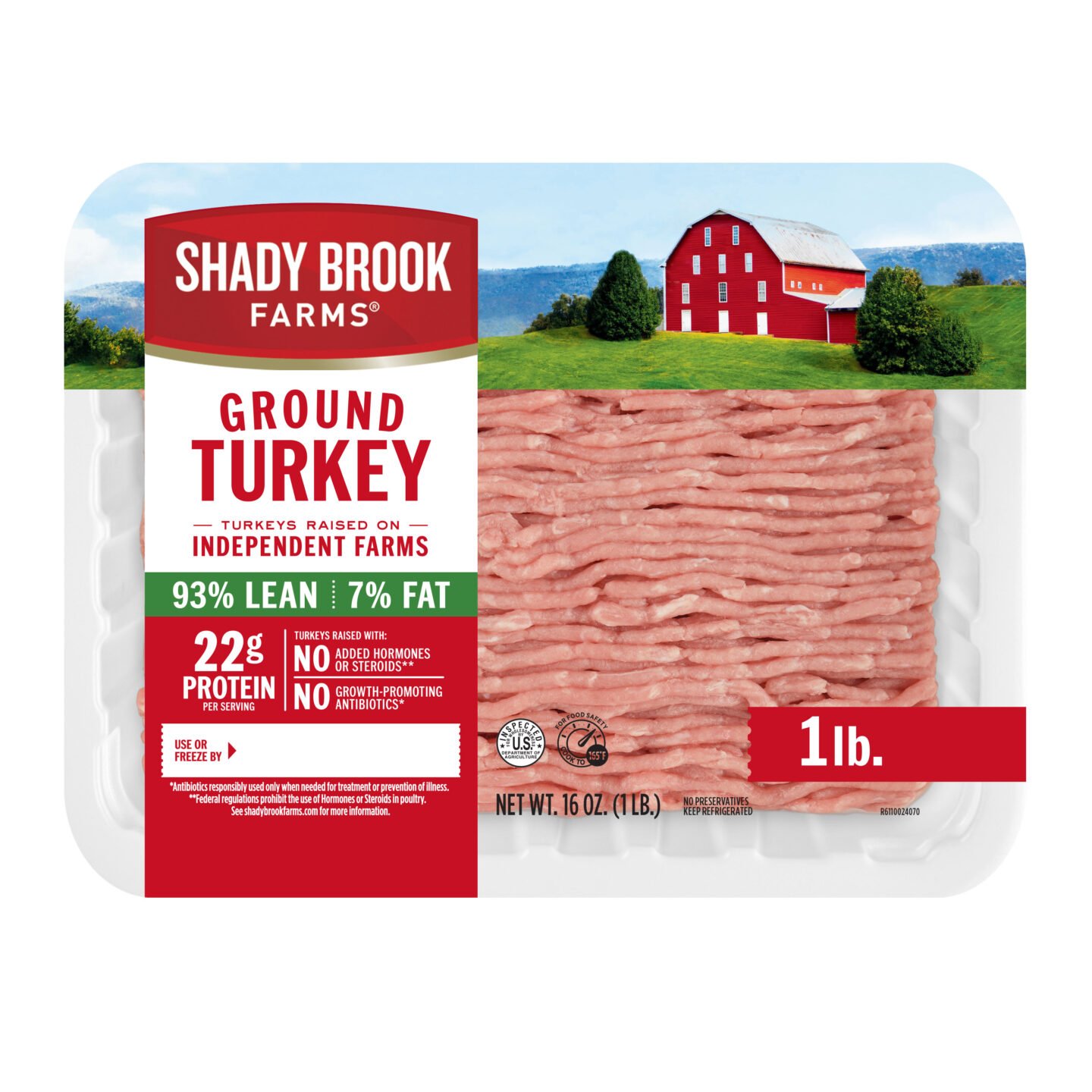
Products from brands such as Butterball, Jennie-O, and Shady Brook Farms may have similar basic macros, but ingredients and sodium can differ.
Check the nutrition panel and ingredient list instead of assuming every package is identical. Your original article makes a broad claim about brands and added salt solutions; I’d soften that wording unless you have product-specific evidence.
Ground Turkey Calories and Protein
Ground turkey calories vary mainly with the fat content.
A leaner product generally provides fewer calories for the same raw weight. Higher-fat varieties contain more calories because fat provides more energy per gram.
Protein remains relatively high across the different varieties, although the exact amount changes from one product to another.
Is Ground Turkey High in Protein?
Yes. Ground turkey is a practical source of complete protein.
A serving can provide a substantial amount of protein without requiring a large portion of meat. That makes it useful in meals built around tacos, burgers, meatballs, chili, bowls, and pasta sauces.
Does Ground Turkey Have Carbs?
Plain ground turkey contains zero carbohydrates.
That means there are no meaningful amounts of sugar, starch, or fiber in unseasoned ground turkey. The carbohydrate content can change once you add breadcrumbs, sauces, marinades, sweeteners, or other ingredients.
For that reason, check the entire recipe if you’re tracking carbohydrates rather than looking only at the meat.
93/7 Ground Turkey Nutrition
93/7 ground turkey nutrition sits between very lean turkey and higher-fat varieties.
The 93/7 label means the product is marketed as 93% lean and 7% fat. It provides a useful middle ground if you want more moisture and flavor than very lean turkey without choosing one of the higher-fat options.
93/7 Ground Turkey Nutrition Per Serving
A typical 4-ounce raw serving is around:
| Nutrient | Approximate amount |
|---|---|
| Calories | 160 |
| Protein | 22 g |
| Total fat | 8 g |
| Saturated fat | 2.5 g |
| Carbohydrates | 0 g |
Use your package label when you need exact numbers because products can vary.

Why 93/7 Works Better Than 99% Lean for Most People
The 99% lean version looks like the obvious winner on paper. Fewer calories, less fat, done. But living with it day after day is a different experience. Without fat, ground turkey becomes very dry in the pan, loses much of its natural flavor, and can be hard to work with in recipes that need moisture and binding.
The 93/7 blend still counts as lean by USDA standards, which require less than 10 grams of total fat, less than 4.5 grams of saturated fat, and less than 95 milligrams of cholesterol per 100-gram serving. In fact, in a full day of eating, the difference between 99% lean and 93/7 is about 60 extra calories and 7 extra grams of fat. For most healthy adults, that small trade-off for much better taste and texture is worth it.
The full breakdown of how 93/7 behaves across different serving sizes, raw versus cooked, and per 100 grams is covered in the dedicated 93/7 ground turkey nutrition guide, which goes much deeper on this specific blend than any other single resource.
Who Should Pick 85/15 or 80/20 Instead?
The higher-fat blends are not bad choices. They just serve different needs. Athletes in a building phase who need more total calories might find the extra fat in 85/15 helpful. People following eating plans that allow more fat might prefer it. If you are making turkey burgers and want a juicier result, the 85/15 blend delivers that better than the leaner options.
Ultimately, the key is knowing what you are buying and making that choice on purpose rather than just grabbing whatever is closest on the shelf.
How to Cook Ground Turkey on the Stove
Cooking ground turkey on the stove is one of the quickest things you can do in the kitchen. The whole process takes about 10 to 15 minutes, and once you know a few basics, you will get a great result every single time.
What You Need Before You Start
You do not need much to get started. In particular, a large skillet or frying pan works best because it gives the turkey enough room to spread out and cook evenly rather than steaming in its own liquid.
- A large 12-inch skillet or frying pan
- Cooking oil such as olive oil or avocado oil
- A wooden spoon or firm spatula for breaking the meat apart
- A meat thermometer for checking doneness without guessing
- Salt, pepper, garlic powder, or your favorite seasoning blend

Step by Step: How to Cook Ground Turkey on the Stove
- Heat the pan first. Place your skillet on medium heat and let it warm up for about 60 seconds before adding anything. A properly heated pan helps the turkey cook evenly and prevents it from releasing too much moisture right at the start.
- Add a small amount of oil. One teaspoon of olive oil or avocado oil is enough. Lean ground turkey doesn’t have enough natural fat to keep it from sticking, especially in pans made of stainless steel or cast iron. The oil makes a thin barrier and helps the turkey brown instead of steam.
- Add the turkey and let it sit. Place the raw turkey into the pan and do not touch it for about 60 to 90 seconds. That first bit of contact with the hot pan builds light browning that adds flavor you lose if you start stirring immediately.
- Break it apart and keep moving it. Use your spoon or spatula to break the turkey into the size crumbles you want. Keep stirring every 30 seconds or so to make sure every part cooks evenly without any pink remaining.
- Season toward the end. Add your salt, pepper, garlic powder, or other spices once the turkey is mostly cooked and no longer visibly pink. Seasoning too early pulls moisture out of the meat. Adding it in the final two to three minutes keeps the turkey juicy and lets the flavors coat every piece.
- Check the temperature and pull it off heat. Ground turkey is fully cooked and safe to eat when the internal temperature reaches 165 degrees Fahrenheit. That is the USDA minimum safe temperature for all ground poultry. Remove the pan from the burner immediately once it hits that point.
Common Mistakes That Dry Ground Turkey Out
- Cooking on high heat. Medium heat the whole way through gives you the most control and the best texture.
- Overcooking past 165 degrees. Once it is safe, it is done. Every minute past that point removes moisture.
- Skipping the oil. Without it, lean turkey sticks to the pan and dries out much faster.
- Seasoning too early. Salt draws moisture out. Wait until near the end for the best result.
For a complete breakdown of timing by amount, what heat level to use, how to cook it from frozen, and the best seasoning combinations for every type of dish, the full how to cook ground turkey on stove guide covers every detail in one place.
Calories in Cooked Ground Turkey: What Changes After Cooking
Calories in cooked ground turkey look different from the raw label, and that surprises a lot of people the first time they compare the two. The reason is simple: cooking removes water from the meat as steam. The protein, fat, and everything else stays behind, but the water leaves. That makes the cooked turkey denser and more concentrated in nutrients per ounce than the raw turkey was.
As a result, this is one of the most common tracking errors people make. They look at the raw label, cook the turkey, and apply those numbers to the cooked weight. That leads to undercounting calories and protein by a meaningful amount every single time. Understanding exactly how the numbers shift is what keeps your tracking accurate.
The Simple Rule Before You Look at Any Numbers
Simply put, the rule is this: if you weigh your turkey before cooking, use the raw values from the package. If you weigh your turkey after cooking, use the cooked values. Never use raw values on cooked turkey or cooked values on raw turkey. Mixing them up is the mistake, not the numbers themselves.
Calories in Cooked Ground Turkey by Type
Here is what a 4-ounce cooked serving of each ground turkey variety delivers, based on USDA FoodData Central 2026 data. These numbers reflect turkey that was cooked on the stovetop without any added sauces or seasonings:
Type Calories (4 oz Cooked) Protein (4 oz Cooked) Total Fat (4 oz Cooked) Saturated Fat
99% Lean ~160 ~38g ~1.5g ~0g
93/7 ~213 ~29g ~10.5g ~3.1g
85/15 ~267 ~27g ~17g ~4.6g
80/20 ~307 ~25g ~23g ~6.0g
What 4 Ounces Raw Become After Cooking
When you cook 4 ounces of raw ground turkey on the stovetop, you end up with roughly 3 ounces of cooked turkey due to moisture loss. That 3-ounce cooked portion has nearly the same calories and macros as the 4-ounce raw portion you started with. Here is the clearest way to see that side by side:
Measurement Raw (4 oz) Cooked (3 oz, from 4 oz raw) Cooked (4 oz weighed after)
Calories 160 160 213
Protein 22g 22g 29g
Total Fat 8g 8.5g 11g
Saturated Fat 2.5g 2.3g 3.1g
Carbohydrates 0g 0g 0g
Sodium 85mg 90mg 118mg
The middle column is the most useful one for everyday cooking. If you started with 4 ounces of raw 93/7 ground turkey, cooked it through, and ate what was left in the pan, you consumed roughly 160 calories and 22 grams of protein. In other words, the nutrients concentrated slightly because the water left, but the actual amount of protein and fat you ate is very close to what the raw label showed.

Does Draining the Pan Lower the Calories
Yes, and the effect is real enough to matter if you are tracking closely. When ground turkey cooks in a skillet, some fat renders out of the meat and collects in the pan as liquid. The USDA cooked nutrition values assume you ate that liquid too, meaning you did not drain the pan. If you do tilt the pan and pour the liquid off, your final dish has slightly fewer calories and less total fat than even the cooked values suggest.
For the 93/7 blend, the amount of fat that drains is modest since the starting fat content is already relatively low. But over a week of cooking and eating, that small reduction adds up in a meaningful way for anyone focused on calorie accuracy.
Calories in Cooked Ground Turkey Per 100 Grams
For people who track by 100 grams rather than by serving size, here is what each variety looks like cooked, based on USDA 2026 data:
Type Calories per 100g Cooked Protein per 100g Cooked Fat per 100g Cooked
99% Lean 188 37.5g 1.8g
93/7 213 28.5g 11.2g
85/15 250 26.5g 16.5g
80/20 287 24.5g 22.5g
The reason the calories per 100 grams cooked are higher than the calories per 100 grams raw comes down entirely to water. Raw ground turkey is about 72 percent water by weight. After cooking, that drops to around 58 percent water. The same nutrients are now concentrated into a smaller, denser portion. The turkey did not gain calories. It lost water.
For a much deeper look at how every nutrient shifts between raw and cooked states, including cooked per 100 grams for the 93/7 blend specifically, the calories in cooked ground turkey guide covers every scenario with complete USDA data tables and practical tracking examples.
Turkey vs Ground Beef Nutrition: The Side-by-Side Comparison
Ground beef has been the American standard for decades. Tacos, burgers, chili, pasta sauce—it is everywhere. Understanding how ground turkey stacks up against it helps you make smarter choices without having to guess.
93/7 Ground Turkey vs 93/7 Lean Ground Beef
Interestingly, both products come in a 93/7 variety, which makes for a clean comparison. Here is how they match up per 4-ounce raw serving, based on USDA FoodData Central 2026 data:
Nutrient 93/7 Ground Turkey 93/7 Lean Ground Beef
Calories 160 170
Protein 22g 24g
Total Fat 8g 8g
Saturated Fat 2.5g 3.5g
Cholesterol 90mg 70mg
Sodium 85mg 75mg
Iron 1.2mg (7% DV) 2.4mg (13% DV)
Zinc 2.4mg (22% DV) 5.4mg (49% DV)
Vitamin B12 0.9mcg (38% DV) 2.4mcg (100% DV)
The two options are closer than most people expect. Ground beef brings more iron, zinc, and vitamin B12 per serving. The iron from red meat is a type called heme iron, which the body absorbs more efficiently than non-heme iron from plant foods. For people who tend to run low on iron, this is a real nutritional consideration worth factoring in.
Ground turkey wins on saturated fat. Even though both have similar total fat content, the type of fat differs meaningfully. As a matter of fact, lower saturated fat intake is one of the key dietary recommendations from the American Heart Association for cardiovascular health.
Ground Turkey vs Ground Chicken
Most ground chicken sold in stores includes skin and dark meat unless the package clearly says ground chicken breast, which pushes the fat content higher than people often expect. By contrast, ground turkey is more widely available in clearly labeled lean ratios, making it easier to know exactly what you are buying every time. This labeling transparency is one reason nutrition-focused shoppers often prefer it over ground chicken.

When Ground Beef Is Actually the Better Choice
There are real situations where ground beef makes more sense. If you are not getting enough iron in your diet, ground beef is the more efficient source. If you need more zinc, same answer. The goal is not to make one food the enemy of the other. It is to understand what each one offers and pick based on your actual situation.
The Vitamins and Minerals Inside Ground Turkey
Most conversations about ground turkey stop at protein and calories. However, this is a major part of the story. Ground turkey is a strong source of several vitamins and minerals that a lot of Americans do not get enough of, according to the 2020-2025 Dietary Guidelines from the USDA and the Department of Health and Human Services.
Selenium: Good for Your Thyroid and Your Cells
Ground turkey is one of the best natural sources of selenium in a standard grocery store. A 4-ounce cooked serving of 93/7 ground turkey provides roughly 32 micrograms of selenium, covering around 58 percent of the daily amount adults need. Selenium helps the thyroid gland work properly and acts as an antioxidant that helps protect cells from everyday damage. The thyroid uses more selenium per gram of tissue than almost any other organ in the body.

Zinc: Immunity, Healing, and More
A 4-ounce cooked serving of 93/7 ground turkey gives you roughly 3.1 milligrams of zinc, covering about 28 percent of the daily recommended amount. Zinc is involved in over 300 processes in the body, including immune cell function, wound healing, and your sense of taste and smell. Furthermore, the zinc in animal-based foods like ground turkey is absorbed more efficiently than zinc from plant sources because plants contain compounds that block absorption.
B Vitamins: Energy, Brain Function, and Blood Health
- Niacin (B3): A 4-ounce cooked serving provides about 9 milligrams, covering roughly 56 percent of the daily value. Niacin helps your body turn food into usable energy and plays a role in DNA repair.
- Vitamin B6: Supports protein processing, helps produce brain chemicals like serotonin and dopamine, and assists in making red blood cells. Ground turkey provides about 0.5 milligrams per cooked 4-ounce serving.
- Vitamin B12: Ground turkey provides approximately 1.6 micrograms per cooked 4-ounce serving, covering about 67 percent of the daily value. B12 from animal foods like turkey is in a highly absorbable form, which matters especially for adults over 50, pregnant women, and people who eat mostly plant-based diets.
Phosphorus and Potassium
Phosphorus works alongside calcium to build and maintain strong bones. Ground turkey delivers about 220 milligrams per cooked 4-ounce serving, covering around 18 percent of the daily value.
In addition, potassium supports healthy blood pressure, muscle contractions, and nerve communication. Ground turkey provides around 280 milligrams per cooked 4-ounce serving, which helps close a gap that most Americans fall short on according to current dietary data.
How Ground Turkey Fits Into Your Daily Diet
Understanding nutrition facts is one thing. However, knowing how to apply them in real daily life is what actually moves the needle. This section makes it practical.
How Much Ground Turkey Should You Eat Per Day?
The right amount depends on your protein goals, your total calorie target, and what other proteins you eat throughout the day. Current dietary reference guidelines suggest 0.8 grams of protein per kilogram of body weight for mostly sedentary adults and up to 1.6 to 2.2 grams per kilogram for people who train regularly. For a 160-pound adult who exercises moderately, that works out to roughly 117 to 161 grams of protein per day.
A cooked 4-ounce serving of 93/7 ground turkey provides about 29 grams of protein. As a result, two servings across the day, combined with protein from eggs, dairy, beans, or other meat, can cover most of that daily target comfortably.

Ground Turkey for Weight Loss
Protein keeps you feeling full for longer than carbohydrates or fat do. A single serving of 93/7 ground turkey adds 160 calories and 22 grams of protein to a meal. That is one of the most favorable protein-to-calorie ratios of any common grocery store protein.
For comparison, the same 160 calories from white rice gives you only about 4 grams of protein. Choosing 93/7 or 99% lean over the 85/15 blend saves 40 to 70 calories per serving, which adds up meaningfully over a full week.
Ground Turkey for Building Muscle
Ground turkey is a complete protein containing all nine essential amino acids your body cannot make on its own. Leucine, the amino acid most directly tied to triggering muscle protein synthesis after exercise, is present in meaningful amounts.
In support of this, research published in the Journal of the International Society of Sports Nutrition confirms that animal-based proteins, including poultry, remain among the highest quality options for supporting muscle growth and maintenance across all age groups.
Ground Turkey for Heart Health
With 2.5 grams of saturated fat per 4-ounce raw serving, the 93/7 blend keeps saturated fat modest while delivering complete protein and key micronutrients. Beyond that, the zero carbohydrate and zero sugar content also makes it a clean choice for people managing blood glucose or working with a cardiologist on a heart-healthy eating plan.
Easy Ways to Use Ground Turkey in Everyday Cooking
- Turkey tacos: Season with cumin, garlic powder, chili powder, and a little salt. Serve in corn or flour tortillas with your favorite toppings.
- Turkey chili: Brown with onions and garlic, add canned tomatoes, kidney beans, and chili spices, and simmer for 20 to 30 minutes. One bowl can carry 40 or more grams of protein.
- Turkey meatballs: Mix with breadcrumbs, egg, garlic, and Italian seasoning. Bake at 400 degrees for 20 minutes. Great for meal prep all week.
- Turkey burgers: Season well and do not overcook. The lower fat content means they dry out faster than beef burgers, so watching the temperature matters.
- Turkey stuffed peppers, turkey lettuce wraps, turkey stir-fry, and turkey pasta sauce all work well with this protein.
FAQ: People Also Ask About Ground Turkey Nutrition
Is ground turkey actually healthy?
Absolutely, yes. Ground turkey is a high-protein, low-saturated-fat meat with zero carbohydrates and a strong set of vitamins and minerals, including selenium, zinc, niacin, and B12. It meets the USDA standard for lean protein and supports a wide range of health goals from weight loss to heart health to muscle building.
How many calories are in cooked ground turkey?
Calories in cooked ground turkey depend on the variety and how you weigh it. A 4-ounce cooked serving of 93/7 ground turkey contains roughly 213 calories. If you started with 4 ounces raw and ate the 3 ounces it became after cooking, the count is closer to 160 calories. Always track based on whether you weighed yourself before or after cooking to stay accurate.
How much protein is in ground turkey?
A 4-ounce raw serving of 93/7 ground turkey contains 22 grams of protein. After cooking, the same portion provides around 29 grams per 4 ounces cooked because moisture loss concentrates the protein. It is a complete protein containing all nine essential amino acids, which makes it highly effective for both muscle building and general daily protein needs.
Is ground turkey better than ground beef?
Ultimately, it depends on your goal. Ground turkey has less saturated fat, making it a stronger choice for heart health. Iron, zinc, and vitamin B12 are more abundant in ground beef. For weight management, ground turkey tends to be the leaner option. Neither is universally better. The right choice comes down to what your body actually needs most right now.
What does 93/7 mean on the label?
It means 93 percent of the product is lean meat and 7 percent is fat. This is the most popular ground turkey blend in American grocery stores because it balances good flavor with a lean nutrition profile. It meets the USDA definition of lean, which requires fewer than 10 grams of total fat per 100-gram serving.
Does ground turkey have a lot of sodium?
Generally speaking, plain, unseasoned ground turkey is naturally very low in sodium, typically 75 to 95 milligrams per 4-ounce serving. Some brands add a salt or water solution during processing, which can push that number up to 280 to 350 milligrams. Always check the ingredients list before buying. If it says only turkey, the sodium will be in the natural low range.
Can you eat ground turkey every day?
For most healthy adults, yes. Eating ground turkey daily as part of a varied diet provides complete protein, key minerals, and B vitamins without contributing excessive saturated fat or sodium when you choose a lean variety like 93/7. It has not been linked to negative health outcomes in current research when consumed as part of a balanced eating pattern.
Is ground turkey good for weight loss?
Yes. Its high protein content increases feelings of fullness and helps preserve muscle during a calorie deficit. Lean varieties like 93/7 and 99% lean deliver a strong protein-to-calorie ratio that makes it easy to hit protein targets without going over on calories. It is one of the most practical proteins to build weight loss meals around.

Conclusion
Ground turkey nutrition holds up exceptionally well under a real look at the numbers. It delivers complete protein, low saturated fat, zero carbohydrates, and a solid set of vitamins and minerals, including selenium, zinc, niacin, and B12. It cooks quickly on the stove, adapts to dozens of different recipes, and gives you clear labeling so you always know what you are putting in the pan.
Three things to carry with you from this guide. First, read the label before you buy. Knowing whether you are picking up 93/7, 85/15, or something else tells you exactly what to expect for calories, fat, and protein. Second, track your turkey by weight the right way. Raw values go with raw weight. Cooked values go with cooked weight. Mixing them is the most common tracking mistake people make with this protein. Third, use it often. It is affordable, fast to cook, and versatile enough to build entirely different meals around multiple times a week without the meals feeling repetitive.
Whether your goal is weight loss, building muscle, supporting heart health, or just eating better without overcomplicating your week, ground turkey is a protein that delivers consistently. With that in mind, start with the 93/7 variety, build a few reliable recipes around it, and make it a regular part of your grocery haul.


Post Comment