High Fiber Foods for Constipation: What to Eat for Relief
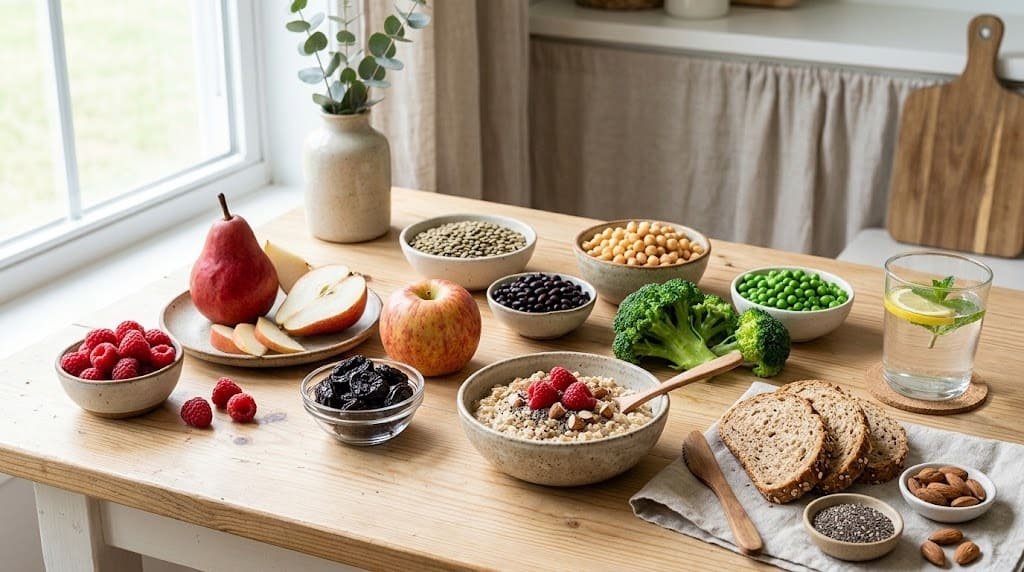
Constipation often becomes harder to manage when your meals are low in fiber and fluids. The practical fix is usually not one “magic” food, but a steady increase in plant foods such as beans, fruits, vegetables, whole grains, nuts, and seeds.
High fiber foods can help support more regular bowel movements when they become part of your everyday meals. For adults, NIDDK recommends about 22 to 34 grams of fiber a day, depending on age and sex, with fiber added gradually so your digestive system has time to adjust.
Table of Contents
- What causes constipation?
- High Fiber Foods for Constipation: Where to Start
- Best High-Fiber Foods for Constipation
- How Fiber Helps With Bowel Movements
- How Much Fiber Should You Eat?
- Why Water Matters When You Increase Fiber
- How to Increase Fiber Without Bloating
- Foods That May Make Constipation Harder to Manage
- High Fiber Foods for Weight Loss and Constipation
- High Fiber Breakfast Foods for Regularity
- High Fiber Snacks That Add Fiber
- When Fiber Isn’t Enough
- Frequently Asked Questions
- Final Expert Takeaway
What Causes Constipation?
Constipation isn’t only about how often you use the bathroom. NIDDK describes it as having fewer than three bowel movements a week, hard or lumpy stools, painful or difficult bowel movements, or a feeling that not all stool has passed.
A low-fiber diet is one possible contributor, but it isn’t the only one. Not drinking enough fluids, being less active, delaying the urge to go, and some medicines or health conditions can also play a role.
That matters because simply eating a large bowl of bran may not solve the problem if the underlying issue is something else.
High Fiber Foods for Constipation: Where to Start
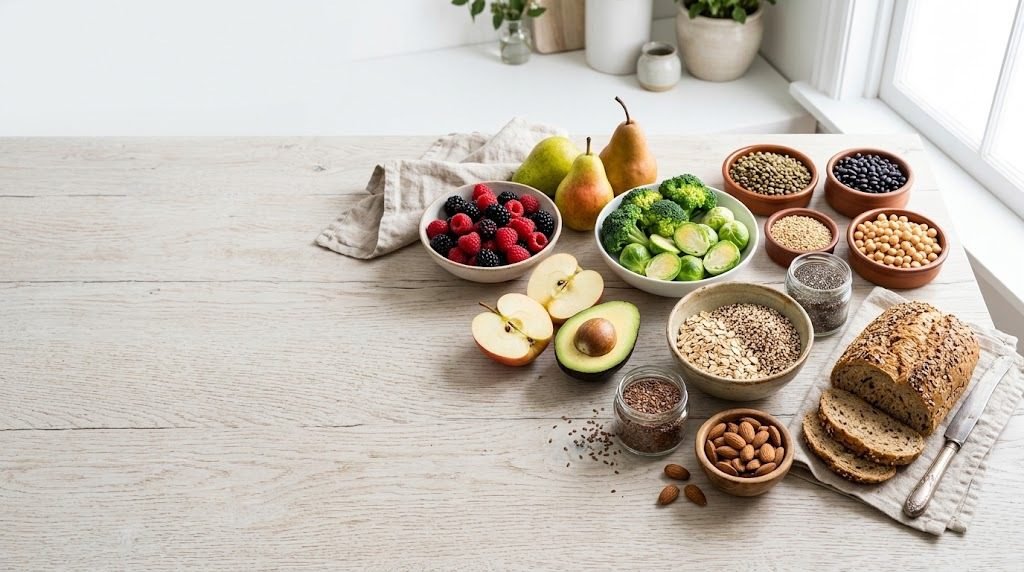
When you’re trying to improve bowel regularity through food, start with familiar foods you can eat consistently. High fiber foods for constipation include fruits, vegetables, legumes, whole grains, nuts, and seeds.
NIDDK specifically lists whole-wheat bread and pasta, oatmeal, lentils, black beans, kidney beans, chickpeas, berries, apples with the skin, pears, carrots, broccoli, green peas, and nuts as useful sources.
A simple starting point is to add one fiber-rich food to each meal rather than changing your entire diet overnight.
For example:
- Add berries or chia seeds to breakfast.
- Put beans or lentils into lunch.
- Keep the skin on an apple or pear.
- Add a vegetable to dinner.
- Choose whole-grain bread, pasta, or rice more often.
That approach is usually easier to maintain than relying on one supplement or one food.
Best High-Fiber Foods for Constipation
The best high fiber foods for constipation are usually the ones that provide a meaningful amount of fiber and are easy for you to eat regularly.
Fruits
Fruit can be especially useful because you get fiber along with water and other nutrients.
- Raspberries — about 8 grams of fiber per cup.
- Pears with the skin — about 5.5 grams in a medium pear.
- Apples with the skin — about 4.8 grams in a medium apple.
- Prunes — a traditional option that provides fiber and may help bowel movements.
- Oranges — an easy way to add fruit and fluid to the day.
NIDDK includes berries, apples with the skin, oranges, and pears among its recommended fiber sources.
Vegetables
Vegetables can add fiber without requiring large changes to your usual meals.
- Green peas
- Broccoli
- Collard greens
- Carrots
- Sweet potatoes with the skin
- Winter squash
These can fit into soups, grain bowls, side dishes, and simple dinners. NIDDK lists several of these foods among good sources of fiber.
Beans and lentils
Legumes are among the most useful fiber foods for constipation because they can provide substantial fiber in a relatively small serving.
Try:
- Lentils
- Black beans
- Kidney beans
- Chickpeas
- Navy beans
- Soybeans
- Split peas
Canned versions are convenient. Rinsing canned beans can also reduce some of the sodium left in the packing liquid.
Whole grains
Whole grains can increase fiber without forcing you into a completely different style of eating.
Useful choices include:
- oatmeal
- whole-wheat bread
- whole-wheat pasta
- bran cereals
- brown rice
- quinoa
- barley
Replacing refined grains with whole-grain versions is often a simple change because the food itself remains familiar.
How Fiber Helps With Bowel Movements
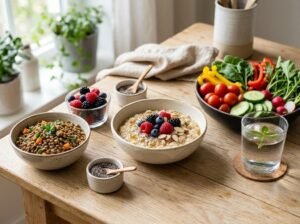
Fiber can help by adding bulk to stool and, depending on the type, helping it hold water. This can make stool easier to pass.
Soluble fiber absorbs water and forms a gel-like material. Insoluble fiber adds bulk and helps move material through the digestive tract. Most plant foods contain a mixture of both types.
For constipation, the goal isn’t to obsess over choosing one type. A varied diet that includes fruits, vegetables, legumes, whole grains, nuts, and seeds naturally provides different forms of fiber.
How Much Fiber Should You Eat?
Adults generally need 22 to 34 grams of fiber per day, with the exact amount depending on age and sex.
You don’t need to reach that amount in one or two meals.
A better pattern is to spread fiber across the day:
Breakfast: oatmeal with berries
Lunch: lentil or bean soup
Snack: pear with almonds
Dinner: brown rice with vegetables and beans
This makes it easier to increase intake without overwhelming your digestive system.
Why Water Matters When You Increase Fiber
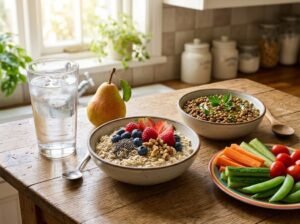
Fiber works better when you drink enough fluid. NIDDK recommends drinking water and other liquids to help fiber work more effectively and make stools softer and easier to pass.
This is one of the most commonly missed parts of a high-fiber diet.
If you suddenly add large amounts of fiber but don’t drink enough, you may end up feeling more bloated or uncomfortable. There isn’t one perfect water target for everyone; fluid needs vary with body size, activity, health, and climate.
How to Increase Fiber Without Bloating
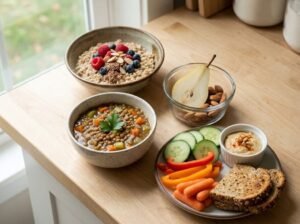
A sudden increase can cause gas, bloating, or abdominal discomfort. NIDDK advises adding fiber little by little, so your body has time to adjust.
Try this instead:
Change one meal first
Add fruit to breakfast or beans to lunch before making several other changes.
Increase portions gradually
A small increase that you tolerate well is more useful than a huge serving that leaves you uncomfortable.
Keep fluids consistent
Don’t increase fiber while drastically cutting back on drinks.
Spread fiber through the day
Five to eight grams at several meals can be easier to handle than most of your daily fiber at dinner.
If you have IBS, the approach can be more individual. NIDDK notes that soluble fiber may be more helpful for constipation associated with IBS and recommends increasing fiber slowly to reduce gas and bloating.
Foods That May Make Constipation Harder to Manage
Foods with little or no fiber don’t necessarily “cause” constipation by themselves, but a diet built heavily around them can make it harder to reach your fiber needs.
NIDDK lists foods such as chips, fast food, meat, some prepared foods, and processed foods as examples of foods with little to no fiber that may be worth limiting when trying to prevent or relieve constipation.
The practical goal isn’t to ban these foods. It’s to avoid letting them crowd out fruits, vegetables, legumes, and whole grains.
High Fiber Foods for Weight Loss and Constipation
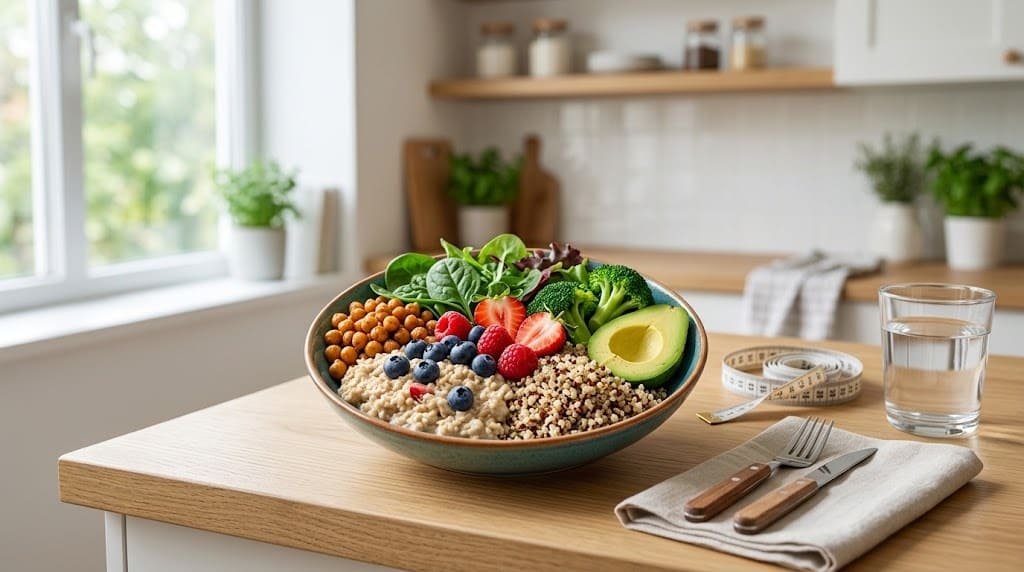
Some foods can work for more than one goal. High fiber foods for weight loss can also be useful when constipation is part of the picture, particularly foods such as beans, lentils, berries, vegetables, oats, and whole grains.
Fiber can help you feel full, while replacing refined, low-fiber foods with whole plant foods can improve the overall quality of a meal. MedlinePlus notes that fiber can contribute to fullness and healthy weight management while also helping prevent constipation.
The important part is substitution. Adding a lot of extra food simply because it contains fiber won’t automatically support weight control.
High Fiber Breakfast Foods for Regularity
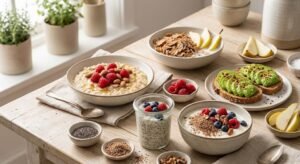
Breakfast is a convenient place to start building a more consistent fiber routine.
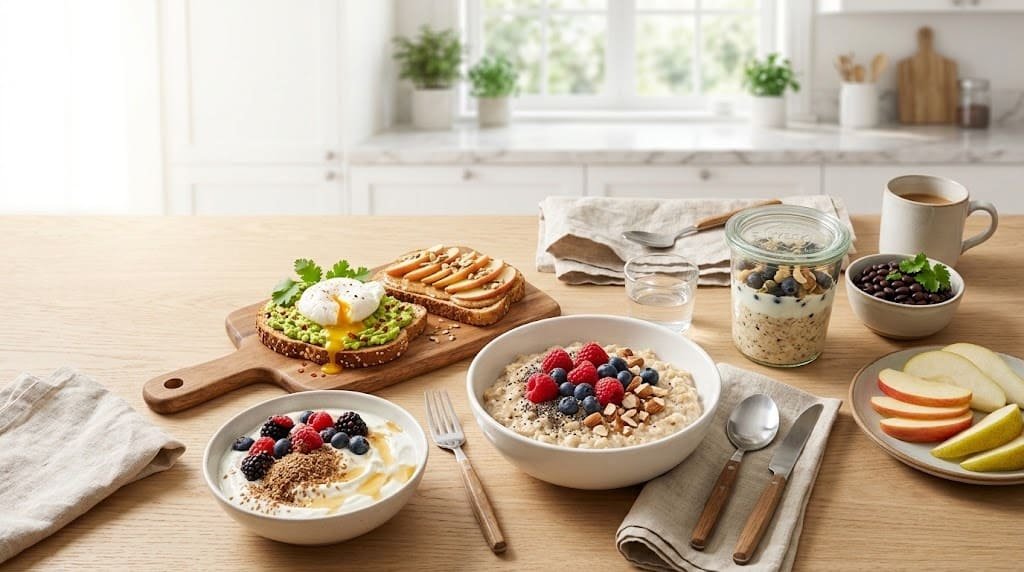
High Fiber Breakfast Foods can include:
- oatmeal topped with raspberries
- whole-grain toast with avocado
- overnight oats with chia seeds
- Greek yogurt with berries and ground flaxseed
- whole-grain cereal with sliced pear
A breakfast that combines fiber with protein can also be more satisfying than a refined breakfast built mostly around pastries, sweetened cereal, or white bread.
High Fiber Snacks That Add Fiber
Small food choices between meals can help you reach your daily target without making dinner enormous.
High Fiber Snacks can include:
- an apple with peanut butter
- a pear with almonds
- carrots with hummus
- roasted chickpeas
- berries with plain yogurt
- air-popped popcorn
Whole fruit is particularly useful because you get fiber from the fruit itself rather than just drinking its juice.
When Fiber Isn’t Enough
Diet changes can help many cases of mild constipation, but persistent symptoms deserve attention.
NIDDK recommends speaking with a healthcare professional when constipation doesn’t go away with self-care or when you have long-term constipation. Seek medical attention promptly if constipation comes with rectal bleeding, blood in the stool, constant abdominal pain, inability to pass gas, vomiting, fever, or unexplained weight loss.
Constipation can also be related to medications, underlying medical conditions, or disorders such as IBS. A healthcare professional can help identify the actual cause rather than assuming fiber is the whole answer.
Frequently Asked Questions
What foods help constipation quickly?
There isn’t one food that works instantly for everyone. Prunes, pears, berries, beans, lentils, and other fiber-rich foods can support regularity, especially when you also drink enough fluids.
Is fruit or oatmeal better for constipation?
Both can be useful. Fruit can provide fiber and water, while oatmeal provides soluble fiber. A diet that includes several fiber sources is generally more useful than relying on one food.
Can too much fiber make constipation worse?
It can make you feel worse, particularly if you increase it suddenly or don’t drink enough fluids. Gas and bloating are common reasons to slow down and increase fiber more gradually.
Is soluble or insoluble fiber better for constipation?
Both have roles. Insoluble fiber can add stool bulk, while soluble fiber can hold water and may be especially useful for people with constipation-predominant IBS. You don’t need to eliminate one type to get the benefit of the other.
Do I need a fiber supplement?
Not necessarily. Many people can increase fiber through food. Supplements such as psyllium can be useful in some situations, but it’s sensible to discuss regular use with a healthcare professional, especially if you have a medical condition or take medications.
Final Expert Takeaway
High Fiber Foods for Constipation work best as part of a consistent eating pattern, not as a one-day fix. Build meals around fruits, vegetables, beans, lentils, whole grains, nuts, and seeds, then increase your intake gradually while keeping fluids in the picture.
Start small: add berries to breakfast, beans to lunch, a vegetable at dinner, and fruit or nuts as a snack. If you already eat some fiber, you may only need a few practical changes rather than a complete diet overhaul.
And remember that persistent or severe constipation isn’t something to keep treating with food alone. When symptoms don’t improve or warning signs appear, it’s time to find out why they’re happening.


3 comments