High Fiber Foods for Weight Loss: How Fiber Helps You Stay Full
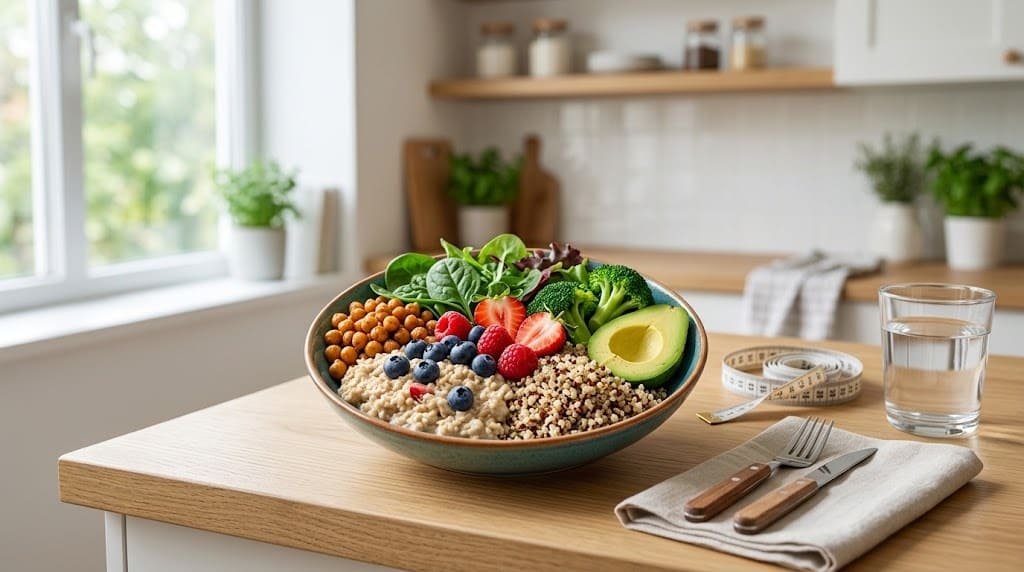
Losing weight is tough when your meals leave you hungry an hour later. Adding high fiber foods helps slow down digestion. This keeps you feeling full longer so you can eat fewer calories without feeling starved.
Fiber does not magically melt fat away. Instead, it is a tool to help you control your appetite. Real weight loss happens when you use fiber foods to replace higher-calorie foods in your daily meals.
Table of Contents
-
How Does Fiber Help You Lose Weight?
-
How Much Fiber Do You Need Each Day?
-
What Makes a Good Fiber Food for Weight Loss?
-
High Fiber Foods That Keep You Full
-
Simple Food Swaps to Cut Calories
-
Building Balanced Meals and High-Fiber Snacks
-
Keeping Your Digestion Smooth
-
Common Fiber Mistakes to Avoid
-
Frequently Asked Questions
-
Simple Rules for Success
How Does Fiber Help You Lose Weight?

Fiber helps you lose weight by taking up space in your stomach and slowing down digestion. Soluble fiber soaks up water and turns into a soft gel. This keeps food in your stomach longer and prevents sudden energy crashes that cause sugar cravings.
| Fiber + Water | → | Forms Gel in Stomach | → | Slows Down Digestion |
| ↓ | ||||
| Fewer Cravings | ← | Keeps Energy Steady | ← | Stays Full Longer |
The CDC (Centers for Disease Control and Prevention) points out that swapping heavy, high-calorie foods for watery, high-fiber fruits and vegetables lets you eat satisfying portions with fewer calories.
Adding fiber to a heavy meal will not erase the calories in that meal. Fiber works best when you use it to replace lower-fiber foods on your plate.
How Much Fiber Do You Need Each Day?
Health experts at the NIDDK recommend that adults get 22 to 34 grams of fiber every day, depending on age and sex.
| Who You Are | Daily Fiber Goal |
|---|---|
| Women (ages 19–50) | 25 to 28 grams |
| Men (ages 19–50) | 31 to 34 grams |
| Women (ages 50+) | 22 grams |
| Men (ages 50+) | 28 grams |
Most people do not get enough fiber. The best way to hit your daily goal is to spread fiber across all your meals instead of eating it all at once.
What Makes a Good Fiber Food for Weight Loss?
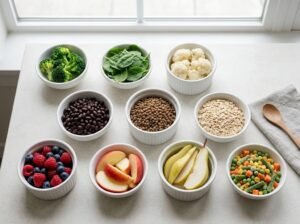
Not every food with fiber is ideal for losing weight. Some high-fiber foods also carry a lot of extra calories.
Look for foods that meet these four rules:
-
Big Portion, Low Calories: Vegetables like broccoli, spinach, and cauliflower fill your plate without adding many calories.
-
Has Protein Too: Beans and lentils give you both fiber and protein, giving you double protection against hunger.
-
Whole Fruit, Not Juice: Whole fruits like apples and berries keep their natural fiber intact. Fruit juice loses its fiber and digests too quickly.
-
Easy to Find and Prepare: Everyday items like oats, canned beans, and frozen veggies are easy to stick with.
High Fiber Foods That Keep You Full
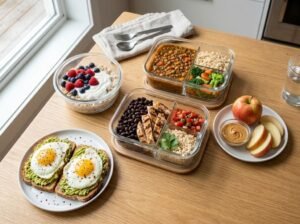
Pairing high-fiber foods with protein is the best trick for beating hunger. Fiber fills your stomach physically, while protein signals your brain that you are full.
Try these simple pairings:
| High-Fiber Base | Protein Boost | Easy Meal Idea |
|---|---|---|
| Oatmeal | Greek Yogurt + Berries | Breakfast Bowl |
| Brown Lentils | Chicken Breast | Lunch Salad |
| Black Beans | Lean Ground Turkey | Burrito Bowl |
| Chia Seeds | Cottage Cheese | Mid-day Snack |
Great Foods to Buy
-
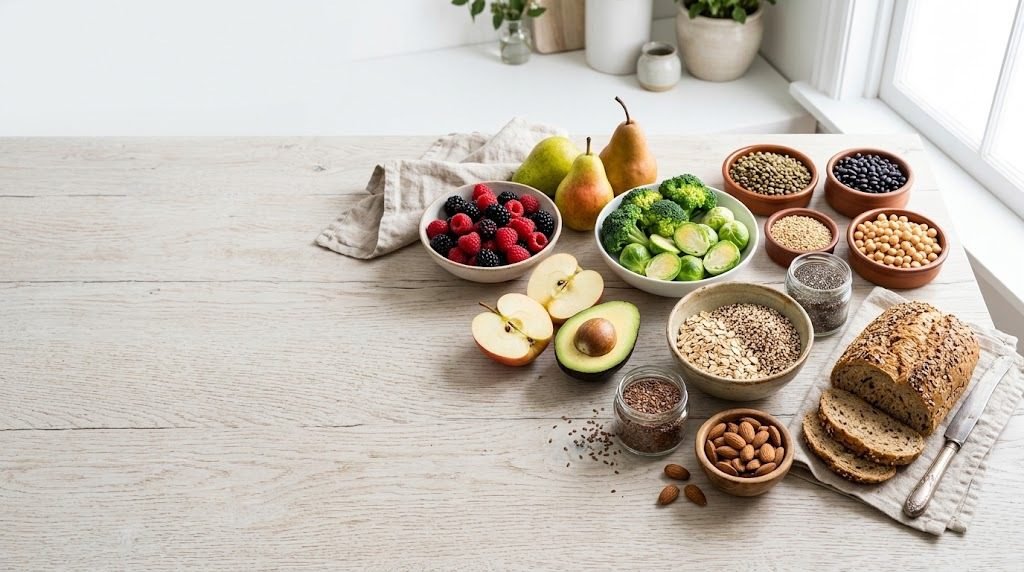
Beans & Lentils: Black beans, chickpeas, lentils, edamame
-
Whole Grains: Oatmeal, brown rice, quinoa
-
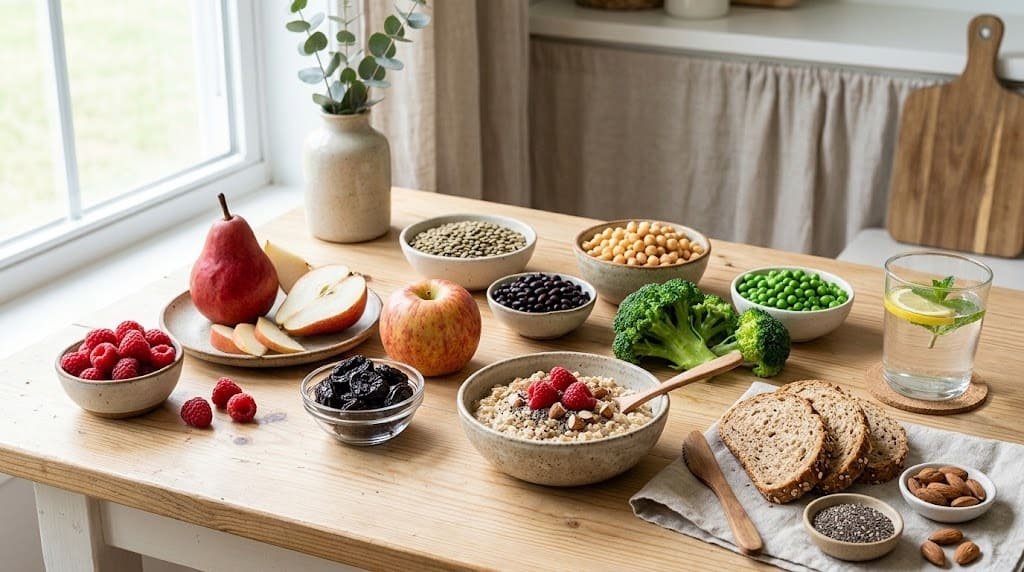
Fruits: Raspberries, blackberries, apples, pears
-
Vegetables: Broccoli, Brussels sprouts, carrots, kale
-
Seeds: Chia seeds, ground flaxseed
Simple Food Swaps to Cut Calories
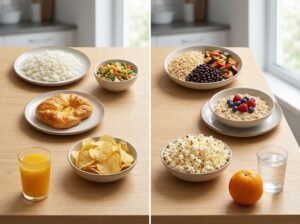
Instead of adding extra food to your diet, swap lower-fiber items for fiber-rich alternatives. This keeps your plate full while cutting down total calories.
| Instead of This... | Try This Swap... |
|---|---|
| 1 cup White Rice (200 cal, 0.6g fiber) | 1/2 cup White Rice + 1/2 cup Black Beans (170 cal, 7.5g fiber) |
| Bagel with Cream Cheese (380 cal, 1.5g fiber) | Oatmeal with Berries and Chia Seeds (280 cal, 8g fiber) |
| Potato Chips (160 cal, 1g fiber) | Air-Popped Popcorn or Roasted Chickpeas (120 cal, 4g fiber) |
| Glass of Juice (110 cal, 0g fiber) | Whole Orange with Water (60 cal, 3g fiber) |
Building Balanced Meals and High-Fiber Snacks
You do not need special diet foods to get enough fiber. You can easily build simple meals and snacks around whole foods.
Healthy Breakfast Options
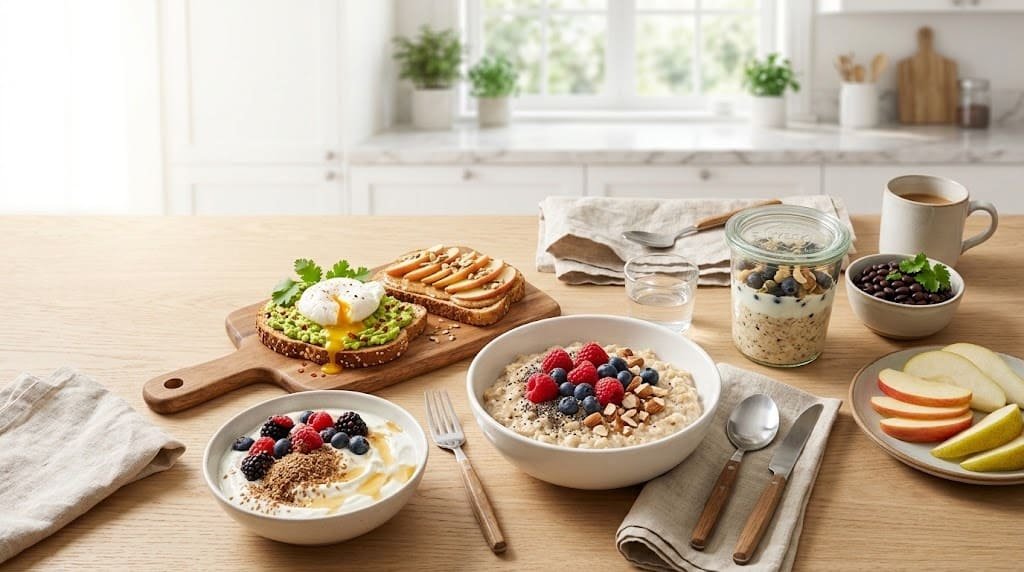
Starting your day with high fiber breakfast foods stops mid-morning cravings before they start:
-
Oatmeal topped with chia seeds and blueberries.
-
Whole-grain toast topped with mashed avocado and an egg.
-
Plain Greek yogurt mixed with ground flaxseed and strawberries.
Lunch and Dinner Setup
Fill half your plate with veggies, one-quarter with lean protein (like chicken, fish, or tofu), and one-quarter with whole grains (like brown rice or quinoa).
Smart Snacks
When you need something between meals, these high fiber snacks keep your energy steady:
-
Apple slices with 1 tablespoon of peanut butter.
-
Carrot sticks dipped in hummus.
-
A small bowl of air-popped popcorn.
-
Roasted edamame with a pinch of salt.
Keeping Your Digestion Smooth
When you start eating more fiber, go slowly. Adding too much fiber all at once can cause gas, bloating, and stomach cramps.
Always drink plenty of water. Fiber needs water to move smoothly through your body. If you ever run into stomach discomfort, combining adequate fluids with High Fiber Foods for Constipation can help restore regular digestion and ease bloating.
Common Fiber Mistakes to Avoid
Watch out for these simple mistakes that can slow down your weight loss:
-
Eating Too Many Nuts and Seeds: Nuts and seeds are healthy, but they contain lots of calories. Measure your portions instead of eating them by the handful.
-
Drinking Your Fruit: Smoothies break down natural fiber and are easy to drink too fast. Eating whole fruit is much more filling.
-
Skipping Protein: Fiber fills your stomach, but protein keeps you satisfied longer. Make sure every meal has both.
-
Buying Processed “Fiber Bars”: Many packaged fiber bars are loaded with added sugar and artificial ingredients. Whole foods are always a better choice.
Frequently Asked Questions
1. What are the best high fiber foods for weight loss?
Lentils, black beans, oats, raspberries, apples, broccoli, and chia seeds are some of the best choices. They fill up your stomach physically while keeping calories low.
2. Can eating too much fiber stop me from losing weight?
Fiber itself will not cause weight gain. However, eating large amounts of calorie-dense fiber foods (like nuts, seeds, nut butters, and dried fruit) can push you over your daily calorie limit.
3. Is soluble or insoluble fiber better for losing fat?
Both work together. Soluble fiber (found in oats, beans, and apples) forms a gel that slows digestion and stops cravings. Insoluble fiber (found in whole grains and leafy greens) adds bulk to keep your digestive system moving smoothly.
4. Can I eat fruit on a weight-loss diet?
Yes. Whole fruit contains water, vitamins, and intact fiber, making it very filling. Just choose whole fruit over fruit juice, as juice strips away the beneficial fiber.
5. Do I need a fiber supplement or powder to lose weight?
Supplements are not necessary for fat loss. Getting fiber from real whole foods is better because whole foods also give you natural vitamins, minerals, and water that supplements lack.
6. How fast should I increase my daily fiber intake?
Add a small serving of fiber every 3 to 4 days (about 3 to 5 extra grams per day each week). Increasing your fiber gradually gives your stomach and gut bacteria time to adjust without bloating.
7. Why am I bloated after eating high-fiber foods?
Bloating usually happens when you increase fiber too quickly or do not drink enough water. Fiber needs liquid to move easily through your stomach and intestines.
8. Will eating fiber help get rid of belly fat specifically?
Fiber reduces overall body fat by helping you stay in a calorie deficit. While you cannot choose where your body loses fat first, soluble fiber specifically helps reduce visceral fat (fat stored around abdominal organs) over time.
Key Takeaways
-
Swap instead of add: Replace lower-fiber foods like white rice, pastries, or chips with fiber-rich alternatives like beans, oats, or whole fruits to cut calories without shrinking your plate.
-
Pair fiber with lean protein: Combining fiber with protein, such as oats with Greek yogurt or beans with chicken, keeps you satisfied much longer than eating fiber alone.
-
Spread fiber across your meals: Include fiber-rich foods at breakfast, lunch, and dinner rather than trying to hit your entire daily goal in one sitting.
-
Increase fiber slowly and drink water: Add fiber to your diet gradually over two to three weeks and drink plenty of fluids to avoid bloating or stomach cramps.
-
Choose whole, real foods first: Rely on real fruits, vegetables, legumes, and whole grains instead of processed fiber bars or synthetic supplements.


3 comments