High Fiber Foods: 50+ Best Sources, Fiber Chart & Daily Needs
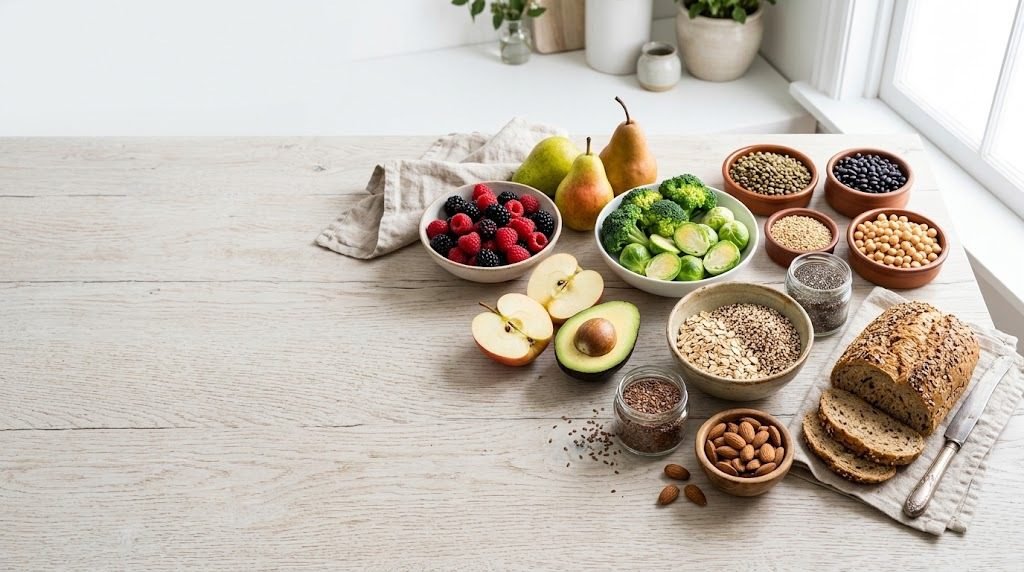
Most people know they should eat more fiber, but the practical question is harder: which foods actually make it easier to reach your daily target?
The simplest approach is to build meals around beans, lentils, whole grains, fruits, vegetables, nuts, and seeds rather than trying to get all your fiber from one food. The FDA currently lists 28 grams of dietary fiber per day as the Daily Value based on a 2,000-calorie diet, while individual needs can vary with age, sex, and calorie intake.
Table of Contents
- What is dietary fiber?
- How much fiber do you need each day?
- High fiber foods: 50+ best choices
- Fiber-rich fruits
- Fiber-rich vegetables
- High fiber grains
- High fiber legumes
- High fiber nuts and seeds
- Soluble and insoluble fiber: what’s the difference?
- High-fiber eating for constipation
- High-fiber foods for weight management
- High-fiber breakfast ideas
- High-fiber snacks
- How to increase fiber without stomach discomfort
- How to read the Nutrition Facts label
- FAQ
- Final takeaway
What Is Dietary Fiber?
Dietary fiber is a type of carbohydrate that your body does not fully digest. Instead of being broken down like most digestible carbohydrates, different fibers move through the digestive tract and can affect stool bulk, digestion, blood cholesterol, blood glucose, and the gut microbiome.
Fiber is naturally concentrated in plant foods. Good sources include whole grains, fruits, vegetables, legumes, nuts, and seeds. Meat, poultry, fish, eggs, and dairy foods do not naturally provide meaningful amounts of dietary fiber.
A useful way to think about it is this: fiber works as part of the whole food, not as a magic ingredient added to an otherwise poor diet.
That distinction matters. A breakfast built around oats, berries, and chia seeds gives you fiber along with other nutrients. Simply choosing a packaged food because the label says “high fiber” doesn’t always create the same overall nutritional pattern.
How Much Fiber Do You Need Each Day?
The FDA currently lists 28 grams as the Daily Value for dietary fiber based on a 2,000-calorie diet. Your personal requirement may be higher or lower depending on calorie needs.
NIDDK gives a broader adult range of 22 to 34 grams per day, depending on age and sex.
That difference doesn’t mean one recommendation is wrong. The Daily Value is a labeling reference, while personal needs vary.
A practical target is to spread fiber across the day instead of trying to eat most of it at dinner.
For example:
- Breakfast: oatmeal with berries and chia
- Lunch: lentil soup with vegetables
- Snack: pear and almonds
- Dinner: brown rice, beans, and roasted vegetables
That pattern can make a higher intake feel normal rather than like a special diet.
High Fiber Foods: 50+ Best Choices
There isn’t one “best” source for everyone. The strongest approach is variety.
The table below gives useful examples from several food groups. Fiber values can vary by variety, preparation, serving size, and brand, so use the package label or a reliable food database when you need an exact number.
| Food | Typical serving | Approx. fiber |
|---|---|---|
| Chia seeds | 2 tbsp | ~10 g |
| Raspberries | 1 cup | ~8 g |
| Blackberries | 1 cup | ~8 g |
| Split peas, cooked | 1 cup | ~16 g |
| Lentils, cooked | 1 cup | ~15–16 g |
| Black beans, cooked | 1 cup | ~15 g |
| Chickpeas, cooked | 1 cup | ~12–13 g |
| Green peas, cooked | 1 cup | ~9 g |
| Avocado | 1 medium | ~9–10 g |
| Pear with skin | 1 medium | ~5–6 g |
| Apple with skin | 1 medium | ~4–5 g |
| Guava | 1 cup | ~9 g |
| Artichoke, cooked | 1 medium | ~7 g |
| Green peas | 1 cup | ~9 g |
| Brussels sprouts | 1 cup cooked | ~6 g |
| Broccoli | 1 cup cooked | ~5 g |
| Sweet potato with skin | 1 medium | ~4 g |
| Carrots | 1 cup | ~4–5 g |
| Oatmeal, cooked | 1 cup | ~4 g |
| Barley, cooked | 1 cup | ~6 g |
| Quinoa, cooked | 1 cup | ~5 g |
| Brown rice, cooked | 1 cup | ~3–4 g |
| Whole-wheat pasta, cooked | 1 cup | ~6 g |
| Almonds | 1 oz | ~3–4 g |
| Pistachios | 1 oz | ~3 g |
| Pecans | 1 oz | ~3 g |
| Flaxseed | 2 tbsp | ~4 g |
| Pumpkin seeds | 1 oz | ~2 g |
| Sunflower seeds | 1 oz | ~3 g |
Values are approximate and should be checked against the specific food and preparation method before publication as a nutrition reference.
Fiber-rich fruits
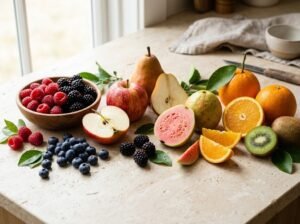
Fruit can be an easy way to increase intake because it works as part of breakfast, snacks, salads, oatmeal, and desserts.
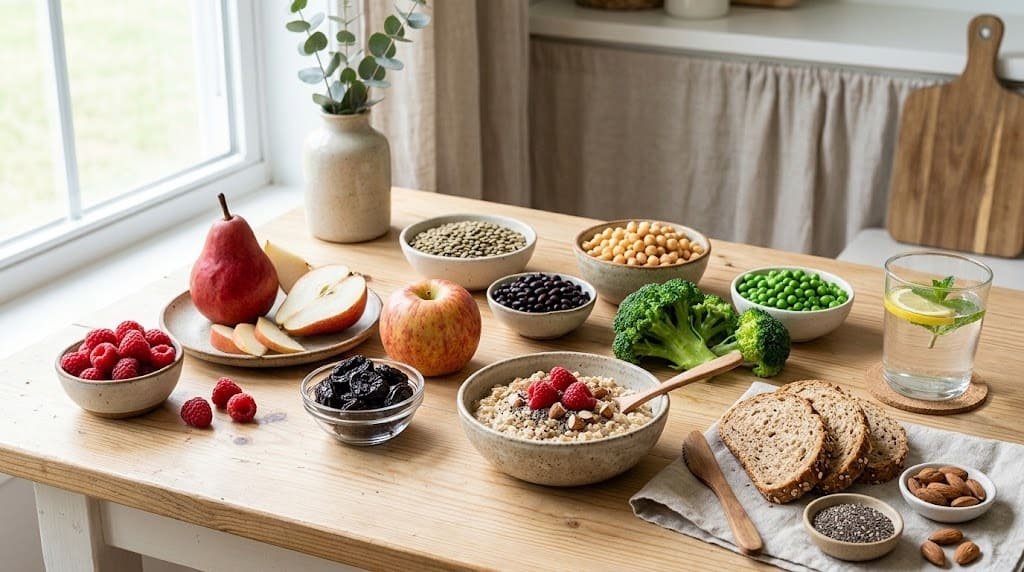
Some of the more useful options include raspberries, blackberries, pears, apples with the skin, guava, oranges, kiwi, and avocado.
Keeping the edible skin on fruits such as apples and pears can increase the fiber you get from the serving. NIDDK specifically lists berries, apples with skin, oranges, and pears among good fiber sources.
Frozen fruit also counts. It can be useful when fresh berries are expensive or out of season.
Fiber-rich vegetables
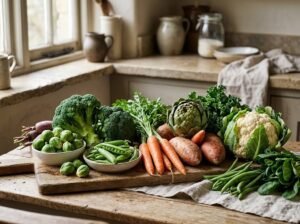
Vegetables are another easy place to build fiber into meals.
Good choices include:
- broccoli
- Brussels sprouts
- carrots
- green peas
- artichokes
- sweet potatoes
- collard greens
- cauliflower
- green beans
MyPlate groups beans, peas, and lentils with vegetables as well as protein foods because they contribute nutrients from both categories.
A simple trick is to increase the vegetable portion of meals instead of adding a separate “fiber food” every time.
High fiber grains
Whole grains can contribute fiber without requiring a major change in how you eat.
Oats, barley, quinoa, brown rice, whole-wheat pasta, whole-grain bread, and bran cereals are practical options. Harvard’s Nutrition Source notes whole grains, fruits, vegetables, legumes, and nuts as major sources of dietary fiber.
When shopping, check the ingredient list as well as the fiber line on the Nutrition Facts label. A product can contain added fiber while still being high in added sugar or refined ingredients.
High fiber legumes
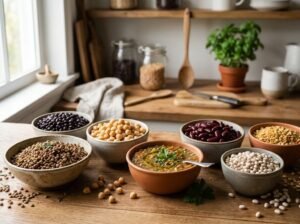
Beans and lentils are among the most efficient food-based ways to raise fiber intake.
Black beans, kidney beans, chickpeas, navy beans, pinto beans, split peas, and lentils can fit into soups, chili, salads, grain bowls, tacos, and pasta dishes.
Legumes also contribute protein, folate, potassium, iron, and other nutrients, which makes them useful well beyond their fiber content.
Canned beans are fine for convenience. Rinsing them can help reduce some of the sodium from the packing liquid.
High fiber nuts and seeds
Nuts and seeds usually do not provide as much fiber per serving as beans or certain fruits, but they are easy to add regularly.
Chia, flax, almonds, pistachios, pecans, pumpkin seeds, and sunflower seeds can be mixed into oatmeal, yogurt, salads, smoothies, or homemade snack mixes.
Seeds are especially useful when you want a small addition that increases the fiber content of a meal without substantially changing the volume of food.
Soluble and Insoluble Fiber: What’s the Difference?
The two broad types are soluble fiber and insoluble fiber, although many foods contain a mixture rather than only one type.
Soluble fiber
Soluble fiber dissolves in water and can form a gel-like material during digestion. It is found in foods such as oats, beans, lentils, apples, chia seeds, and some other fruits and vegetables. Some soluble fibers are also fermented by gut bacteria.
Some forms can help slow digestion and may support healthier blood cholesterol and glucose levels. That doesn’t mean one serving of oatmeal will “control” blood sugar by itself; the overall meal and eating pattern matter.
Insoluble fiber
Insoluble fiber does not dissolve in water. It can add bulk to stool and help food move through the digestive tract.
Whole grains, wheat bran, many vegetables, nuts, seeds, and fruit skins contribute insoluble fiber. Harvard notes its role in promoting regularity and reducing constipation.
You don’t need to choose only one type. Eating a variety of plants naturally gives you both.
High Fiber Foods for Constipation
When your diet is low in fiber, bowel movements can become less regular. Adding high fiber foods for constipation can help increase stool bulk and support regularity, especially when you also drink enough fluids and increase fiber gradually.
Some practical choices include:
- Lentils — easy to use in soups, salads, and grain bowls.
- Black beans — useful in chili, tacos, and rice dishes.
- Pears with the skin — provide fiber along with water.
- Raspberries — an easy addition to oatmeal or yogurt.
- Chia seeds — simple to add to overnight oats or smoothies.
High Fiber Foods for Weight Loss
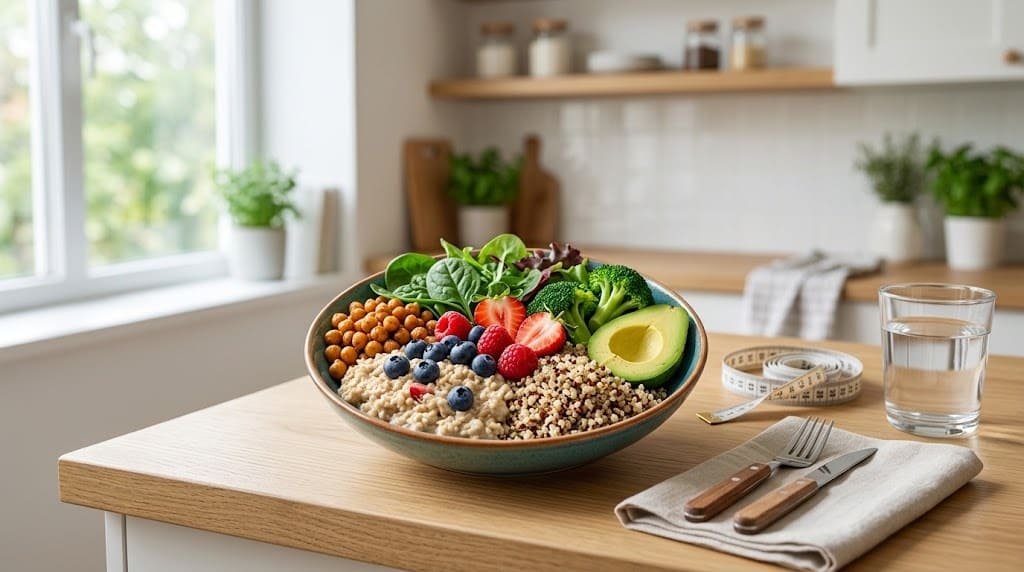
Fiber can make meals more filling, which may help with appetite and overall calorie intake. High fiber foods for weight loss can include beans, lentils, oats, berries, vegetables, and other plant foods that add volume and fiber without relying heavily on refined ingredients.
Good options include:
- Lentils — provide fiber and plant protein.
- Black beans — filling and versatile for main meals.
- Oatmeal — works well with fruit and seeds.
- Berries — add natural sweetness and fiber.
- Avocado — provides fiber along with unsaturated fats.
- Broccoli — adds volume and fiber to meals.
High Fiber Breakfast Foods
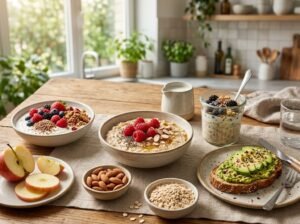
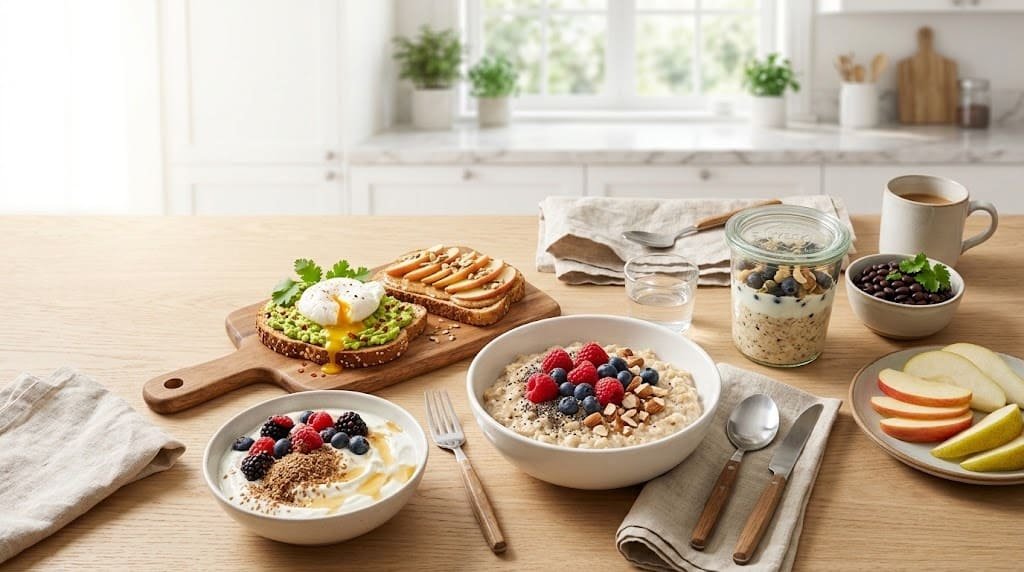
Breakfast is an easy place to build more fiber into your day. High fiber breakfast foods can combine whole grains, fruit, nuts, or seeds to create a satisfying meal that contributes to your daily fiber intake.
Try options such as:
- Oatmeal with raspberries — a simple high-fiber combination.
- Overnight oats with chia seeds — convenient for busy mornings.
- Whole-grain toast with avocado — adds fiber and healthy fats.
- Greek yogurt with berries and ground flaxseed — combines protein with plant foods.
- Apple with oatmeal and peanut butter — a filling breakfast combination.
High Fiber Snacks
A snack can also contribute to your daily fiber intake without requiring much preparation. High fiber snacks can include fruit, vegetables, legumes, nuts, seeds, or whole-grain foods, depending on what fits your eating pattern.
Easy choices include:
- Apple with peanut butter — portable and satisfying.
- Pear with almonds — a simple fruit-and-nut combination.
- Carrots with hummus — adds vegetables and chickpea-based fiber.
- Roasted chickpeas — a crunchy option for between meals.
- Berries with plain yogurt — naturally sweet and easy to prepare.
- Air-popped popcorn — a whole-grain snack when prepared simply.
How to Increase Fiber Without Stomach Discomfort
A sudden jump in fiber can cause gas, bloating, cramps, or changes in bowel habits.
NIDDK specifically advises adding fiber gradually so the body can adjust.
A practical approach is to:
Increase one meal at a time
Add berries at breakfast before changing everything else.
Choose whole foods more often
Use beans, vegetables, fruit, whole grains, nuts, and seeds as regular ingredients rather than relying heavily on fiber-fortified products.
Drink enough fluids
Adequate fluid intake helps fiber do its job, particularly when you increase intake quickly.
Spread fiber across the day
A few grams at several meals is often easier to tolerate than a huge amount in one sitting.
Pay attention to your own response
Some fermentable fibers can cause more gas or bloating than others. Harvard notes that certain fibers, including inulin and related compounds, can be difficult for some people with irritable bowel syndrome.
How to Read the Nutrition Facts Label for Fiber
The Nutrition Facts label gives you two useful numbers:
Dietary fiber — grams per serving
and
% Daily Value
The FDA uses 20% DV or more per serving as a general guide for a food that is high in a nutrient, while 5% DV or less is considered low. For fiber, the current Daily Value is 28 grams.
So, a food with:
7 g fiber per serving
provides:
25% DV
That is a high-fiber serving by the FDA’s labeling guide.
Still, compare the entire label. A product with a lot of fiber isn’t automatically the better choice if it also brings excessive added sugar, saturated fat, or sodium.
What Counts as a Good Fiber Source?
There’s no single cutoff that makes a whole food “good” or “bad.”
A better comparison is:
How much fiber does the serving provide, and what else comes with it?
For example, lentils provide fiber plus protein and several micronutrients. Berries provide fiber plus vitamins and plant compounds. Oats provide fiber and other nutrients as part of a whole grain.
This is one reason variety works better than relying on a single food every day.
Can You Get Enough Fiber Without Supplements?
Yes. Many people can meet their needs from food.
NIDDK recommends fiber-rich foods such as whole grains, legumes, fruits, vegetables, and nuts as part of a constipation-friendly eating pattern.
Supplements can have a role in some situations, particularly when food intake isn’t enough or a healthcare professional recommends one. But they shouldn’t replace a varied diet.
Psyllium is one example of a soluble, viscous fiber that can hold water and increase stool bulk. Harvard notes its use in over-the-counter fiber products and its ability to soften and bulk stool.
Frequently Asked Questions
What are the best high fiber foods?
Beans, lentils, split peas, chia seeds, berries, some fruits, vegetables, whole grains, nuts, and seeds are among the strongest everyday options. The “best” choice depends on how much you eat, how well you tolerate it, and what the rest of the meal contains.
How much fiber should I eat each day?
The FDA’s Daily Value is 28 grams per day based on a 2,000-calorie diet. NIDDK gives adults a range of 22 to 34 grams daily, depending on age and sex.
Are fruits high in fiber?
Some are. Raspberries, blackberries, guava, pears, apples with the skin, and oranges are useful choices. Whole fruit generally provides more fiber than fruit juice.
Are vegetables a good source of fiber?
Yes. Broccoli, Brussels sprouts, green peas, carrots, artichokes, sweet potatoes, and leafy greens can all contribute.
Which food has the most fiber?
Very concentrated sources include some seeds, legumes, bran products, and certain dried foods. But comparing foods only by the largest number isn’t always useful. Serving size and how practical the food is to eat regularly matter.
Can eating too much fiber cause bloating?
Yes. A sudden increase can cause gas, bloating, or cramps, especially when the person isn’t used to much fiber. Increase intake gradually and drink adequate fluids.
Is fiber good for constipation?
Fiber can help improve stool bulk and regularity, especially when combined with adequate fluids. NIDDK recommends increasing fiber gradually and drinking enough liquids.
Do high-fiber foods help with weight loss?
They can make meals more filling and can support a healthy eating pattern, but they don’t guarantee weight loss. The overall calorie intake and quality of the diet still matter.
Are beans too high in carbohydrates to count as a healthy fiber food?
Beans contain carbohydrates, but they also provide fiber, plant protein, folate, minerals, and other nutrients. They can fit into many eating patterns, including balanced weight-management diets.
Final Takeaway: High Fiber Foods Work Best as Part of the Whole Diet
High fiber foods don’t need to turn your diet upside down. The easiest approach is to build more meals around beans, lentils, whole grains, fruits, vegetables, nuts, and seeds, then increase your intake gradually.
Aim for variety instead of chasing one “highest-fiber” food.
Use the Nutrition Facts label when buying packaged foods, keep fluids in mind, and spread fiber through the day.
For most people, a few ordinary changes — berries at breakfast, beans at lunch, vegetables at dinner, and fruit or nuts as a snack — can move daily fiber intake in the right direction without making meals feel like a nutrition project. The FDA’s 28-gram Daily Value is a useful reference point, while individual needs can differ.
One practical rule is worth remembering: increase fiber gradually, choose a variety of plant foods, and give your body time to adjust.


3 comments